INTERVIEW: Ben McCarthy, Greenway Associates
We interview Ben McCarthy - Construction Lawyer, Contracts Lead and our very own our inflation expert.
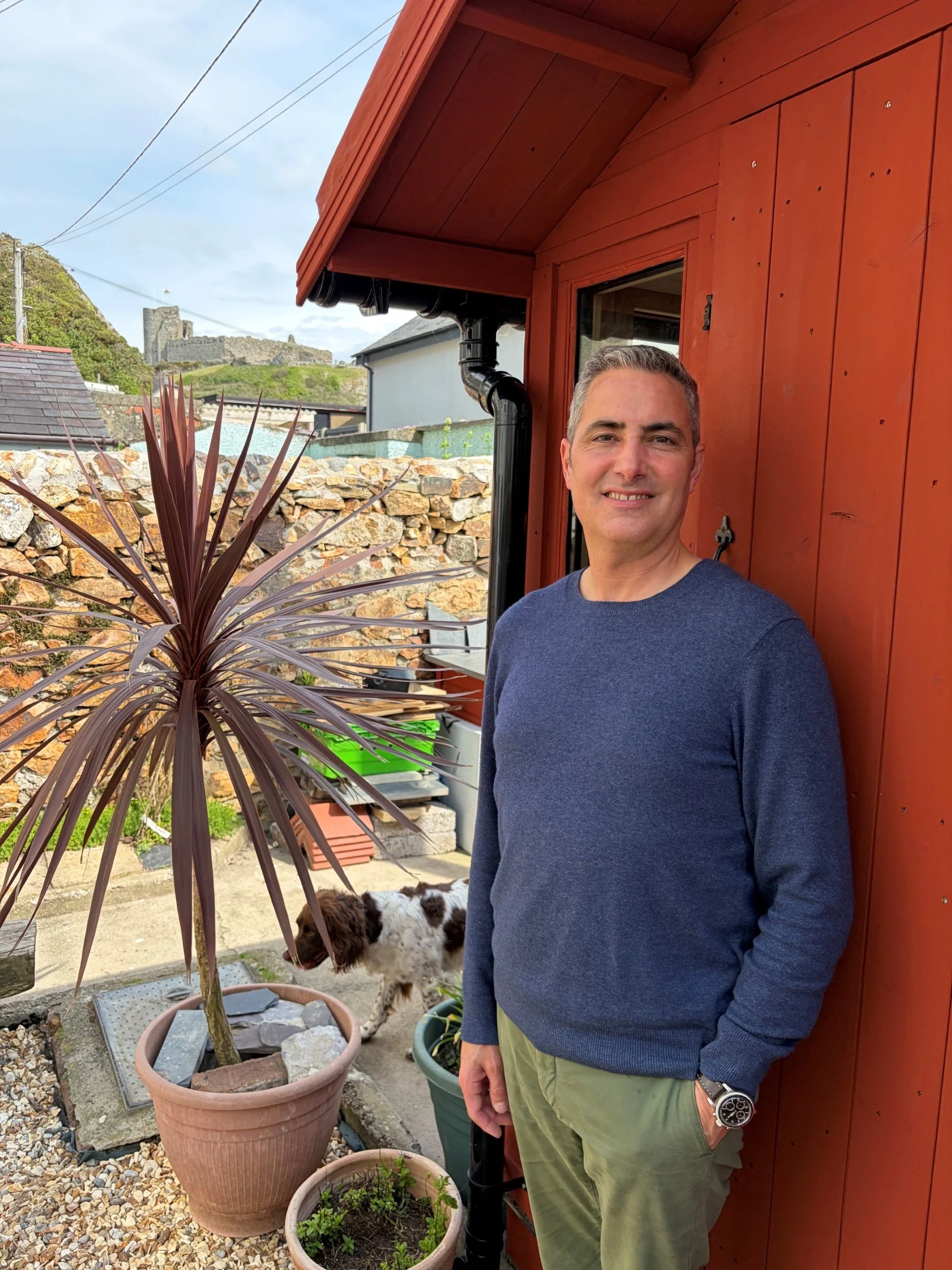
Ben McCarthy - Construction Lawyer, Contracts Lead and Inflation Expert at Greenway Associates
GA: Thanks for taking the time to answer a few questions for us Ben! You started off working in construction and renovation before arriving at GA to join Mark back in 2001 and then you went on to study and train in law. How did that early experience shape the way you work today?
Ben: I worked on heritage renovations and some large construction sites before commencing studies in quantity surveying, followed by postgraduate law and vocational training for the Bar. This helped me to visualise 3D, real-world situations, such as those found in substructure and MEP, in a different way to the rest of my cohort.
When looking at rates and cost planning, I would work through the tasks and interfaces as if building them myself. Similarly, with legal work, my background helped me to consider liability, overlapping tasks, and their impacts. I found this particularly useful when I later worked on construction adjudications and arbitrations.
Quantity surveying and legal work both require attention to detail, technical and detailed advocacy, reference to precedents, and the ability to reduce complex scenarios into simple, clear, actionable points.
GA: You are widely known by the team as Greenway’s inflation expert. For those outside the industry, how would you explain why inflation has become such a hot topic in construction and procurement right now?
Ben: Inflation is something I have been tasked with reporting on at board level, in a coherent and understandable way, for major international capex budgets. It makes a significant difference to expectations and approvals on multi-year schemes.
Construction and project inflation can take a very different course to the regular Consumer Price Index. Projects are particularly prone to the boom-and-bust cycles of demand and contractor margins. The interplay with currency is also vital to understand, especially where budgets are not hedged in project currencies or where the currency mix shifts.
At the time of this interview, there are still significant shockwaves from geopolitical events, such as the Iran conflict. These waves can peak and trough, requiring careful management of contingency and inflation allowances.
Generally, inflation can only be observed retrospectively, and the neat, linear progression shown on graphs seldom reflects project realities. Judgements therefore need to be made around releasing inflation allowances and updating forecasts across complex projects, while avoiding overreaction to daily changes reported in the news.
GA: You’ve often been the person we turn to for contracts and complex international procurement. How does your legal background influence your approach to cost planning and project strategy?
Ben: My legal background and experience with international projects help me in a couple of ways. Firstly, it makes me more cautious when procuring consultant and contractor packages, with an awareness of the types of claims that frequently arise and the key points of difference.
Secondly, it gives me an understanding of a range of procurement approaches, including various international contract forms, as well as tools for security. Common approaches and contract mechanisms used in places such as the USA, Brazil, and parts of Sub-Saharan Africa differ from those in the UK, reflecting variations in jurisdiction, culture, contractor profiles, and risk.
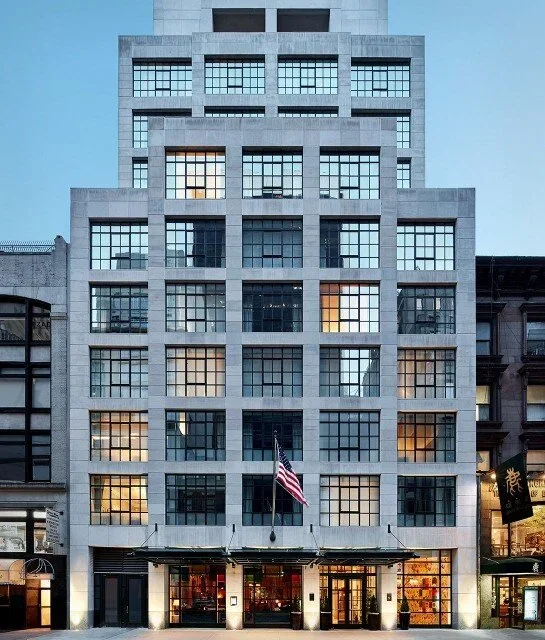
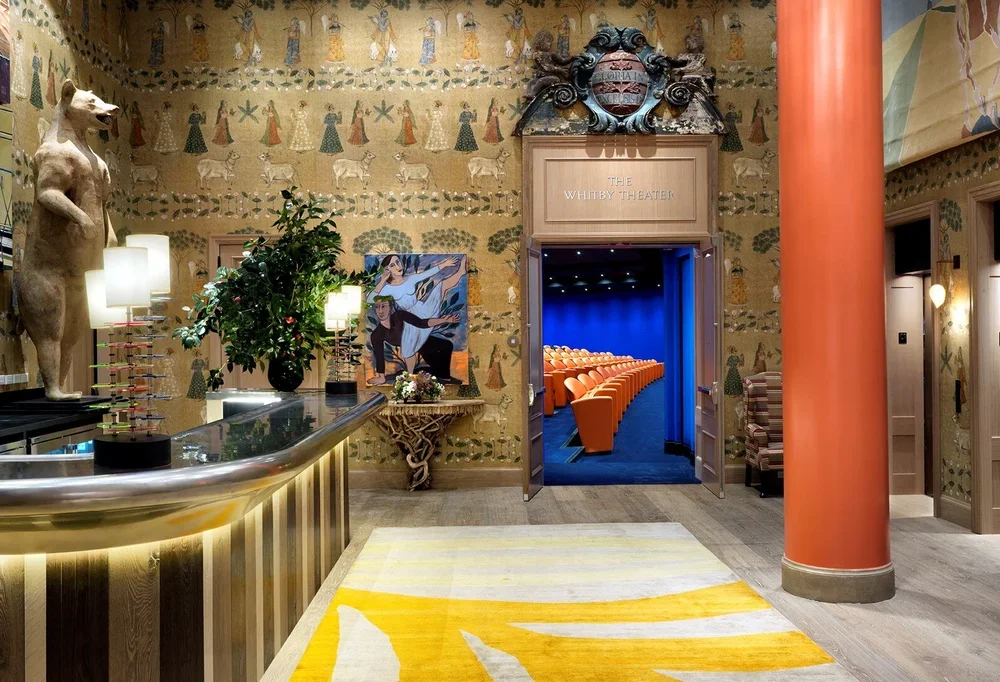
GA: Over the years you’ve been involved in some of Greenway’s most well-known hospitality projects, from the Firmdale hotels in London and New York to cultural work with the V&A, London museums, and exhibitions such as the Cité du Vin and Lascaux IV. Are there any standout moments that still shape how you approach projects today?
Ben: The projects you mention span a wide range of client and project cultures. Some are direct and driven by a singular purpose, while others involve extensive stakeholder groups and complex chains of accountability. What they all share, however, is a collaborative team of clients, consultants, and contractors working towards common goals.
Alex Issigonis, the designer of the iconic 1960s Austin Mini, is often quoted as saying, “A camel is a horse designed by a committee.” The camel may be practical and utilitarian, whereas the horse is elegant and iconic. What I have come to appreciate, having worked with XTU and Snøhetta in France, Kit Kemp’s designs and the Firmdale Hotels vision, as well as the leadership of the V&A and other museums, is this: a project must be kept on track to achieve its true vision, rather than becoming a diluted compromise that placates everybody yet delights no one.
Effective cost planning and procurement are crucial in working step by step towards that vision. The standout moments for me are those points in each project where we worked together to find solutions that avoided settling for the banal “camel” and instead preserved the elegance of the original idea.
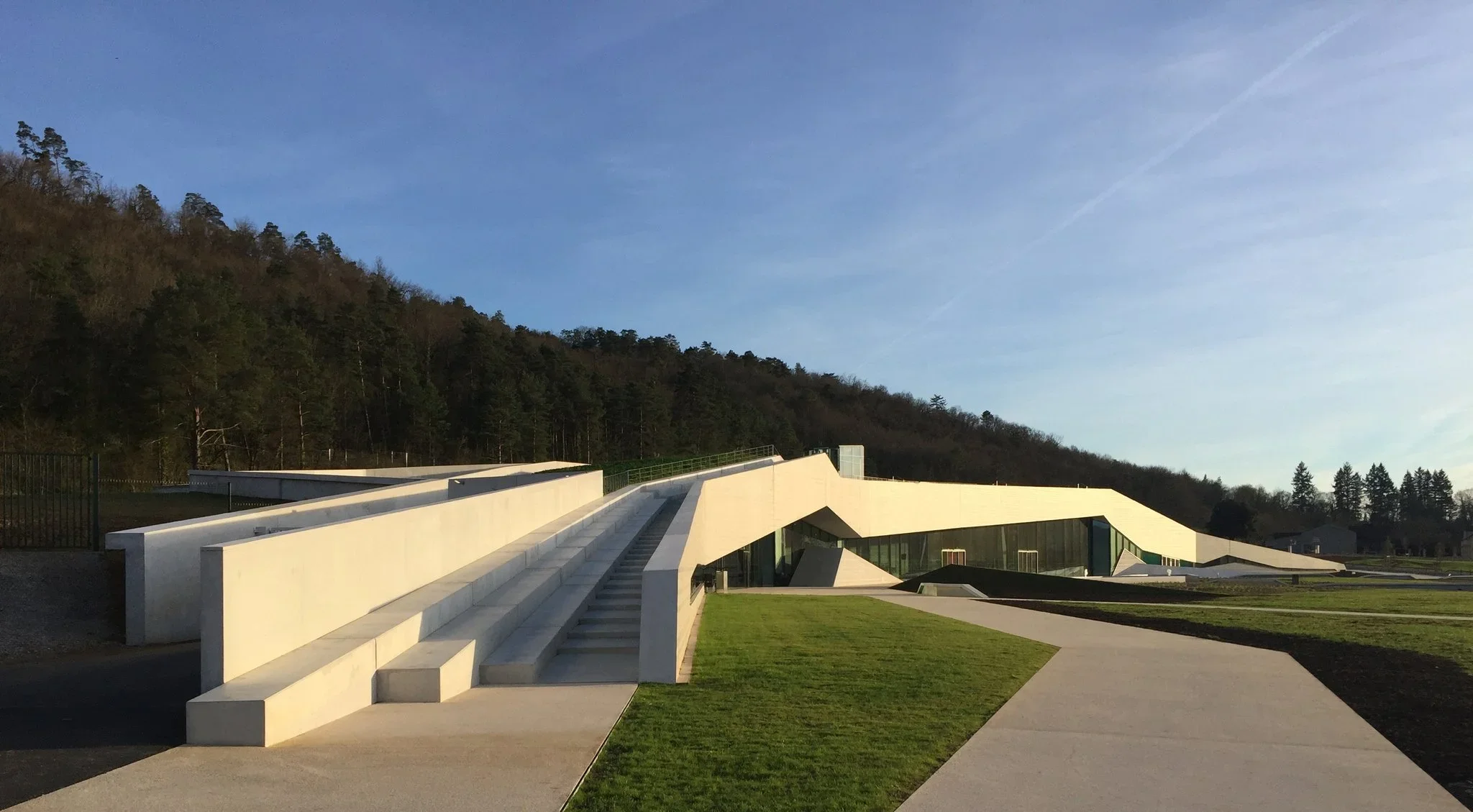

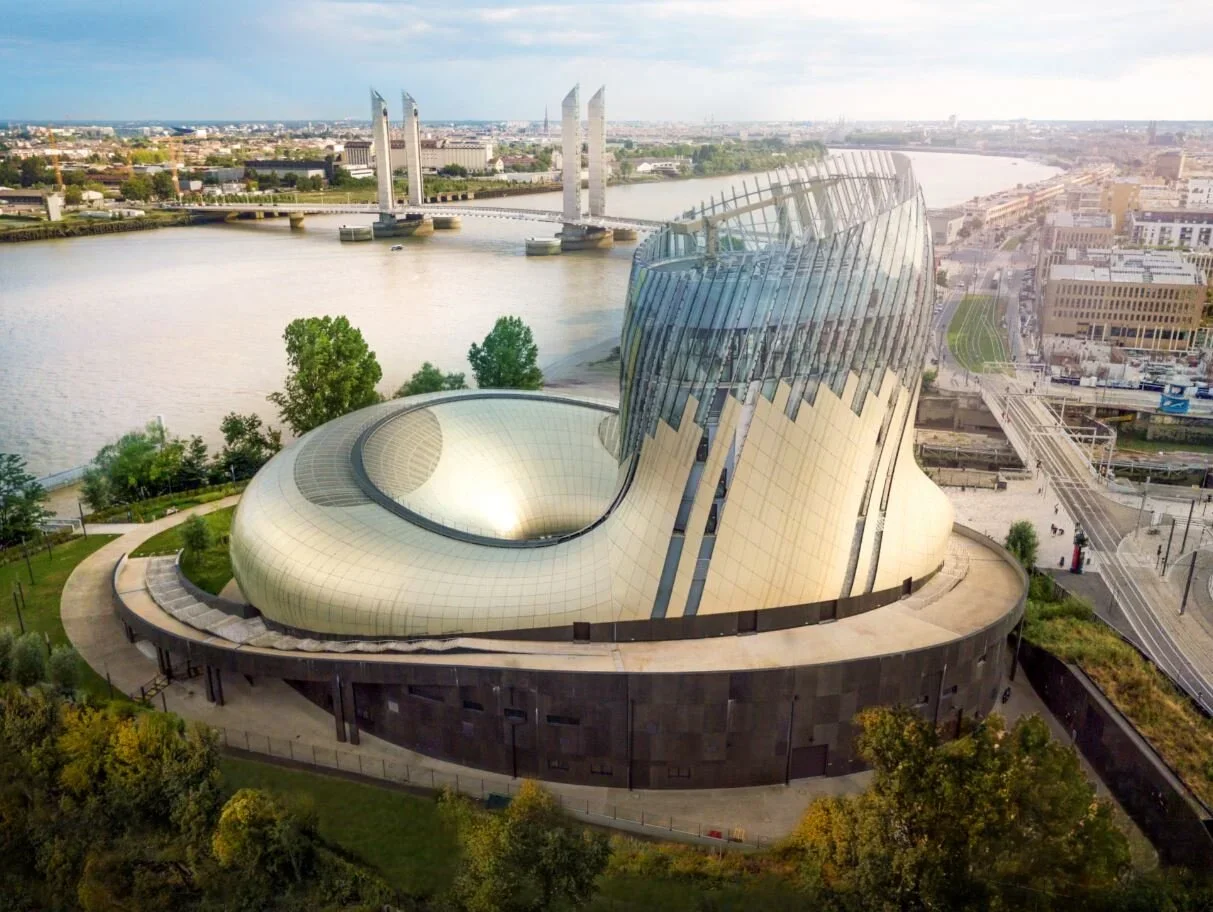
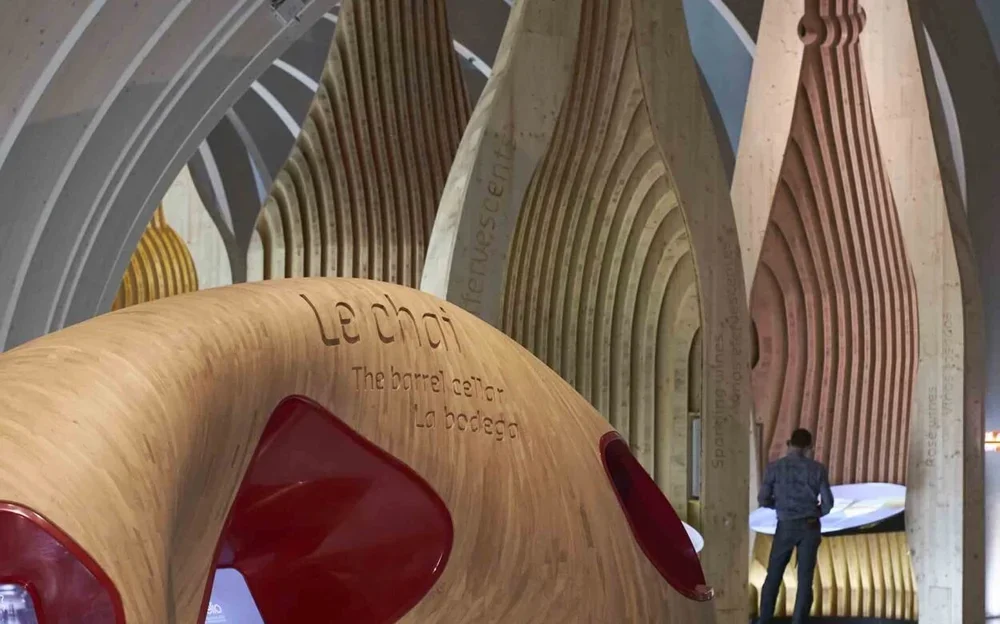
GA: You spent four years in Nigeria working as managing QS for an international charity, dealing with the complex procurement of a campus development. You later worked at director level for a decade with the same international charity managing worldwide cost planning and cost control across over 80 countries and undertaking strategic studies. How did that experience influence your understanding of cost management in very different contexts?
Ben: In a word: adaptability. First and foremost, understand the overall needs of the project. What is the big picture? How is it approved and funded? What are the absolute priorities?
With an open mind, take the time to understand the local culture, constraints, and market. Patience is often required. In the UK, seasoned Quantity Surveyors and contractors rely on a familiar ecosystem: established forms of contract, known consultants, contractors and subcontractors with proven strengths, a dependable statutory framework, and relative stability in currency and funding. It is a mistake to take any of these for granted in an international context.
Even in countries with strong legal and investment frameworks, there can be significant differences in processes and capabilities. For example, in the USA, estimating and development are often contractor-led. In other regions, projects may depend on the extensive use of bank bonds and the hedging of currencies across multiple baskets, depending on procurement needs.
Realistic and, at times, innovative approaches to contractor and product procurement are essential. It is important not to force a familiar model onto a project simply out of habit. Instead, the work lies in shaping cost management and procurement strategies that are genuinely suited to the specific context of the project.
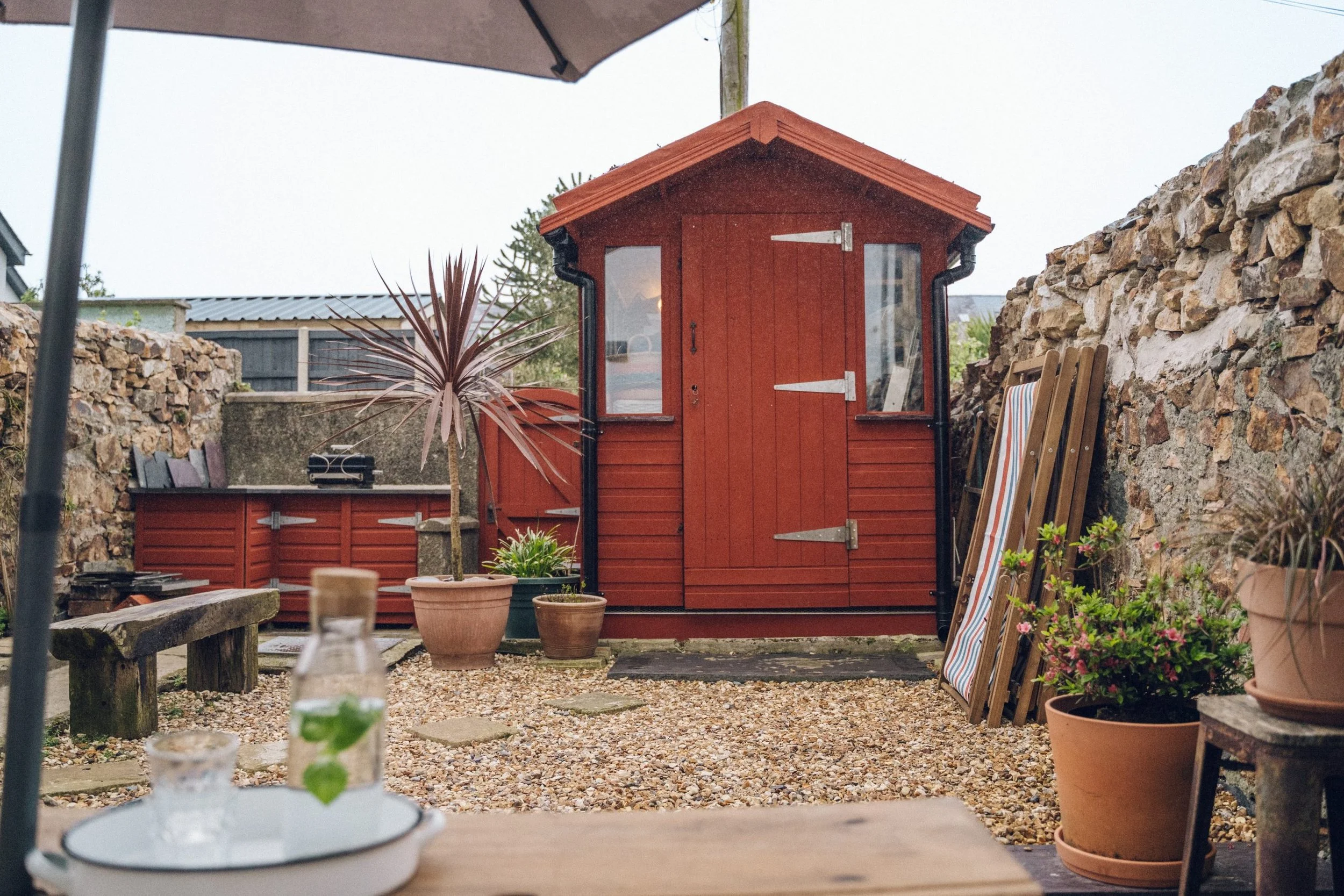
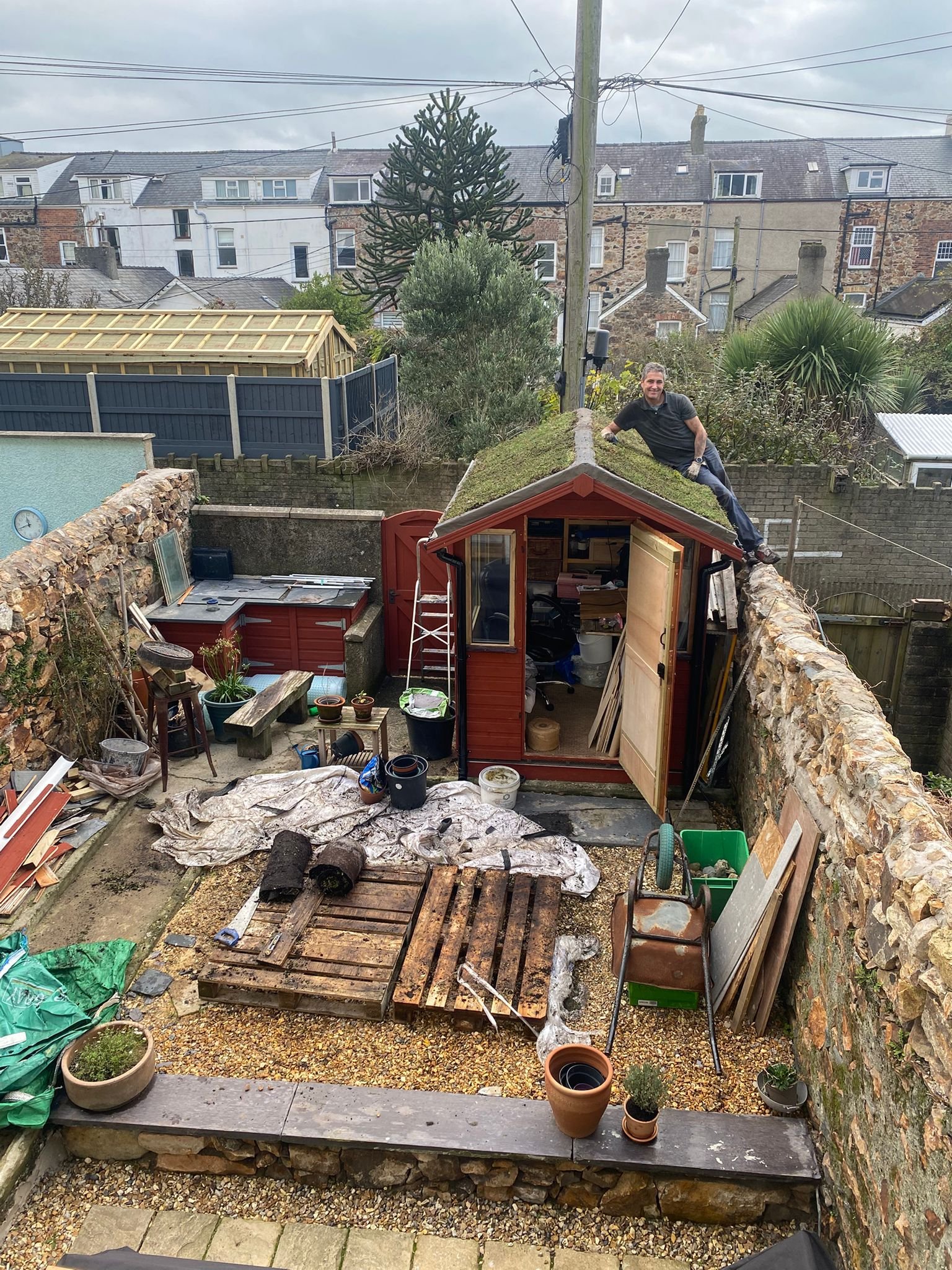
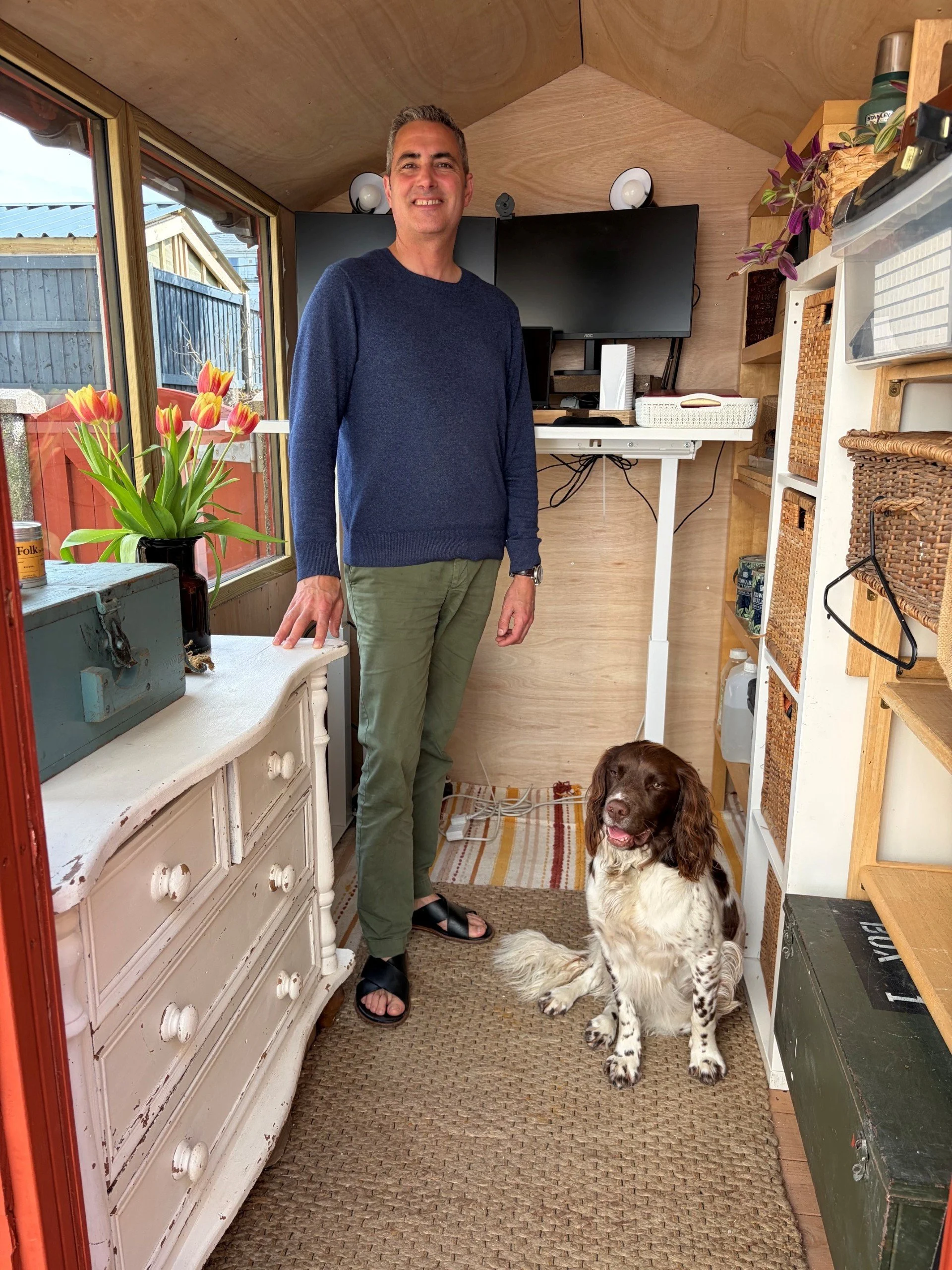
GA: Your Welsh “Shoffice” has become something of a legend within the team. It's a garden office with a fully developed cost plan and VE options! How did that project come about, and has it turned into a live test case for your sustainability ideas?
Ben: As a hybrid worker travelling into London regularly, I needed a space to call my own, separate from the home environment at the end of the garden. I had the remainder of a pack of sheepswool insulation and some double-glazing units recycled from a house renovation project, and wanted to put them to good use.
I was inspired by Scandinavian red timber cabins and set out to replicate that effect opposite our small garden kitchen area. In doing so, I learnt that these cabins have often been preserved for hundreds of years in harsh weather using a linseed emulsion paint known as Falu Red, which contains a red oxide produced as a by-product of a historic copper mine.
A sedum green roof completed the effect, and since then I have been comfortably settled in my cabin, which enjoys a picture-frame view of Criccieth Castle just a stone’s throw away.
GA: Your work has taken you from London to Bordeaux, New York and worldwide. How do you approach early-stage cost planning and budget setting when working across different countries and markets?
Ben: As with any project, the starting point is a full understanding of the brief. I also always identify the budget currency and the funding requirements the client needs to meet.
From there, I investigate the market, its strengths and its limitations. For example, what roles do consultants and contractors typically perform? While commercially available pricing books, cost surveys, and pricing tools can be useful as comparators and references, I avoid over-reliance on them.
As early as possible, I try to understand what the real project will look like from start to finish. Where this is not yet defined, I develop realistic scenarios for design and procurement, which inevitably require a number of informed assumptions.
GA: You’ve developed a bespoke international cost inflation tracker for our clients. What prompted you to create it, and how does it help inform project decisions?
Ben: There is a wide range of inflation data and variables available across different countries and markets, from Consumer and Producer Price Indices issued by government agencies and International Monetary Fund forecasts to historic construction tender prices and forward-looking projections.
Our concern has been that many mainstream forecasts are heavily weighted towards housebuilding and infrastructure, while others focus primarily on the general commercial sector. In the hospitality and visitor attractions sector, however, contractors, investment cycles, and project components are often quite different. For example, museums and exhibitions frequently include audio-visual software and hardware elements that can exceed 50% of the budget, while hotels typically have significant FF&E and OS&E components. Demand for these types of projects also tends to follow different cycles from housebuilding and infrastructure.
Inflation therefore represents a significant risk and cost driver on multi-year project budgets. Our inflation tracking and projections allow us to produce robust forecasts, supported by a broad basket of data sources.
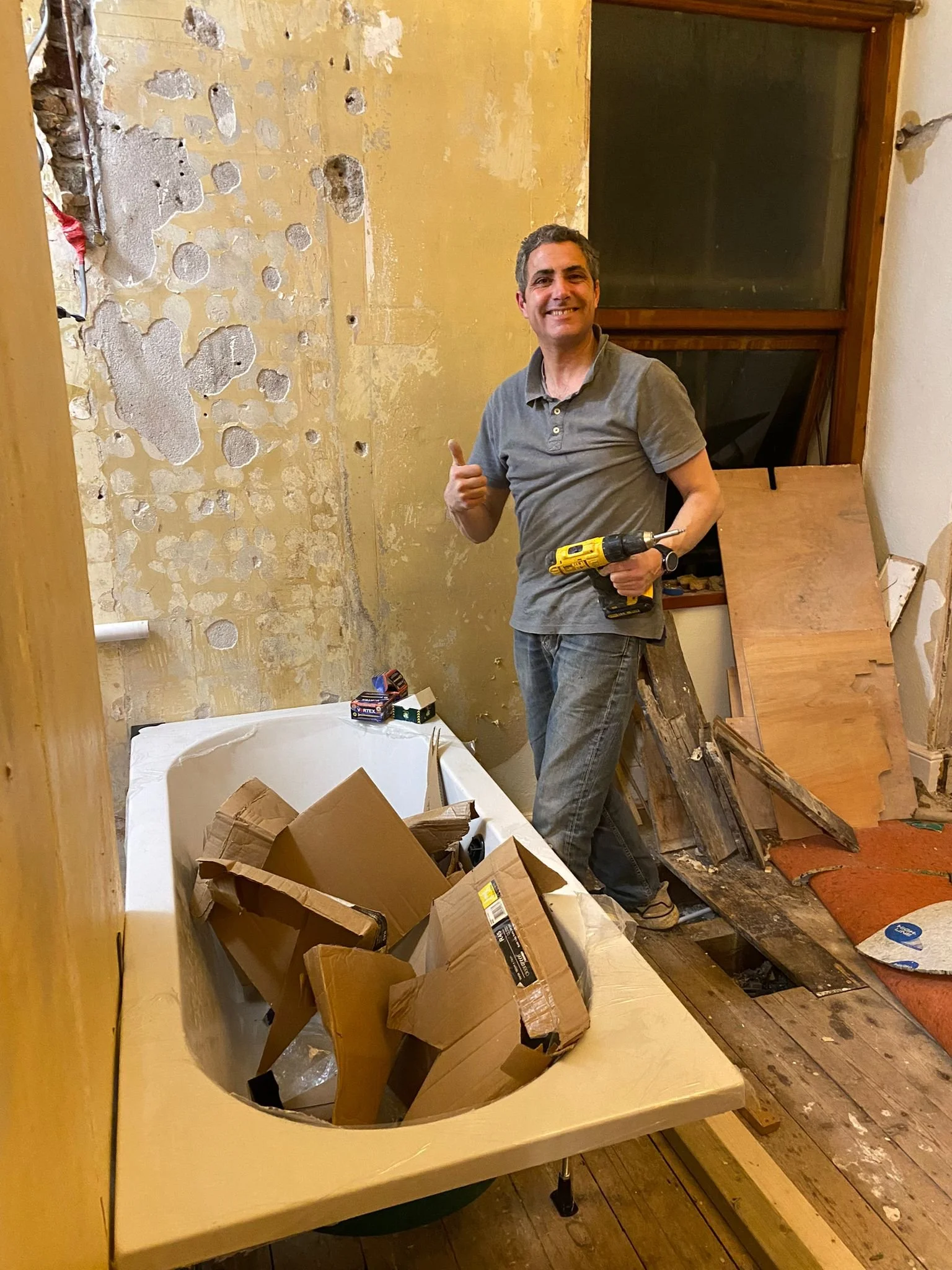
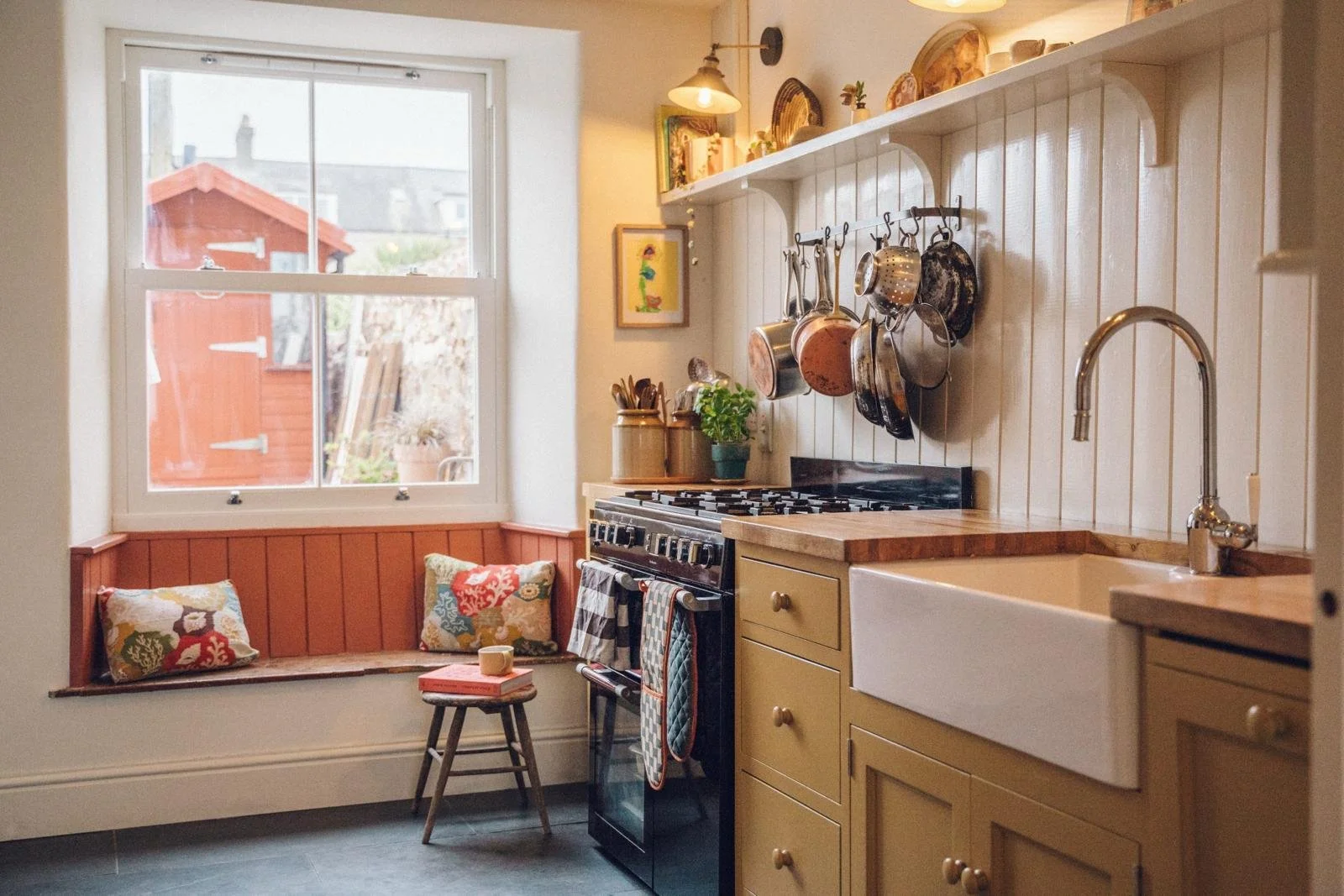
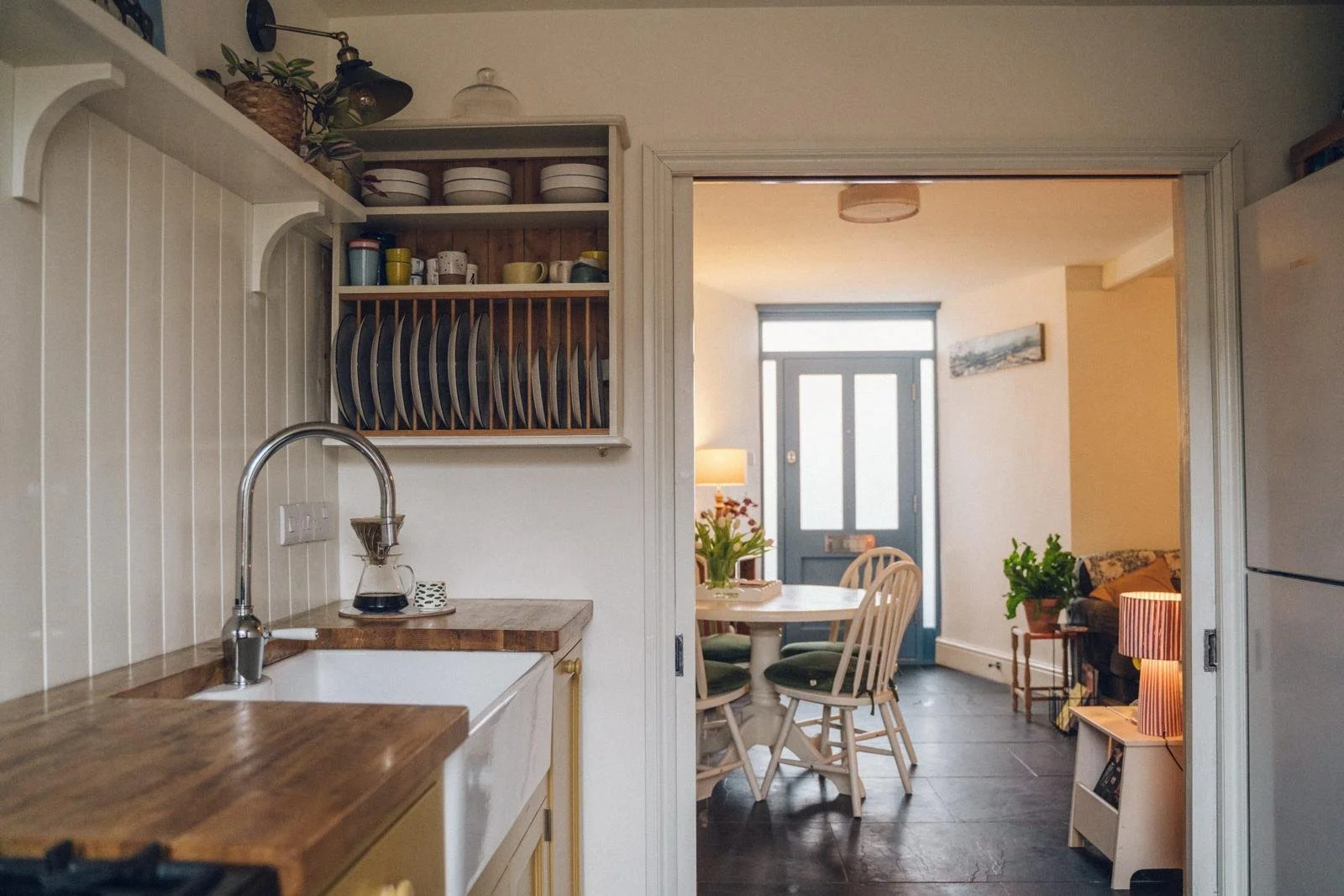
GA: You recently completed the renovation on a Victorian house near the beach using toxin-free paints and limewashed walls. Has being both client and QS changed your perspective when guiding others through sustainable choices?
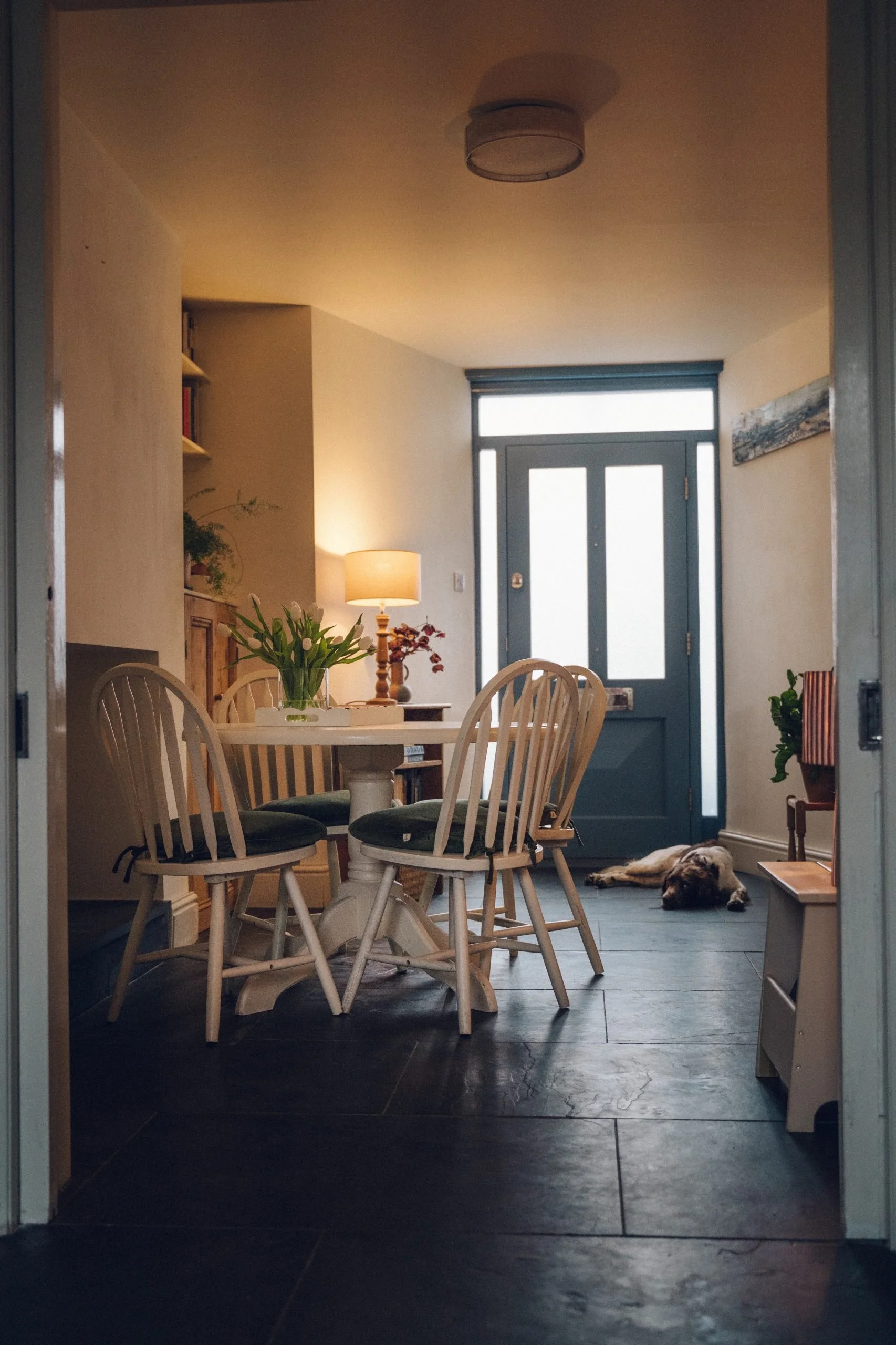
Ben: I was inspired by how a home can be renovated to minimise waste, remain authentic, and feel genuinely healthy. Compared to more typical construction projects, there is a marked difference in the experience of moving into a home following a natural renovation, using materials such as sheepswool insulation, honeycombed glass, sand, and wood fibres, alongside finishes like natural timber, slate floors with lime-based adhesives, lime plaster, and plant- or linseed-based paints.
The result is a freshness to the space and a noticeable absence of off-gassing odours. Avoiding plasticised coverings, polyurethane, harsh chemicals, and acrylic paints allows the building to breathe as originally intended, before cavity construction and modern waterproofing.
While compromises are sometimes necessary to accommodate modern services and regulations, I believe the more sustainable approach is often better, both in user experience and material cost. Some materials, such as lime or linseed paint, can take longer to apply, but are often more economical in supply terms, with practical workarounds available.
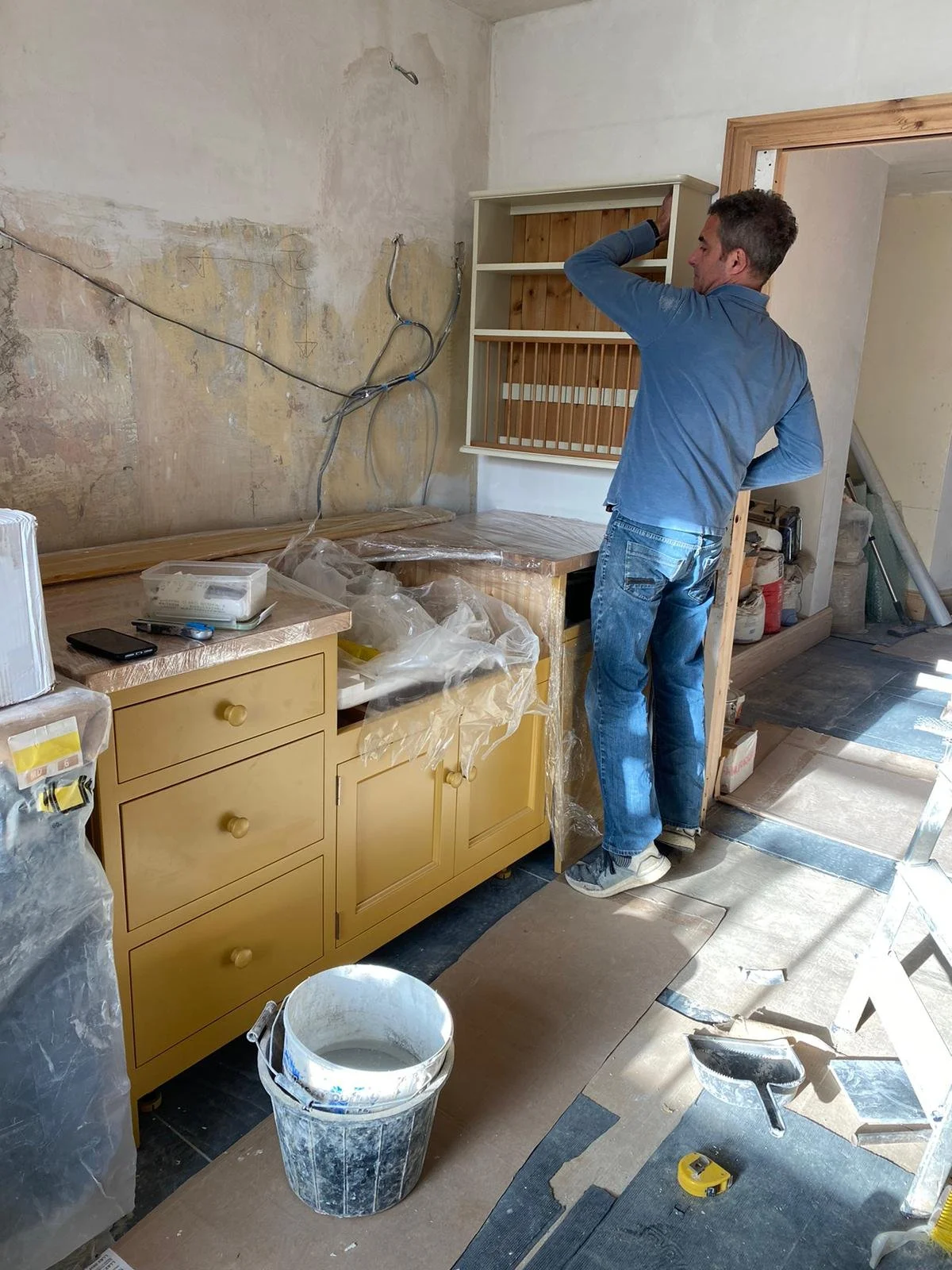
Much depends on finding a builder willing to work with these materials and reuse what is already in place, rather than defaulting to demolition and replacement. It remains a point of regret among many carpenters and joiners that so much high-quality timber from earlier periods, including pitch pine, sash windows, staircases, flooring, and joinery-grade softwoods and hardwoods, has been removed from UK properties and replaced with plastics and fast-grown softwoods.
The volume of timber lost, rather than reused, is irreplaceable. This has been compounded by poor maintenance, limited ventilation, and the sealing of surfaces with modern paints and inappropriate waterproofing, all contributing to wet rot, dry rot, and woodworm.
Today, I am guided by a deeper respect for heritage buildings and a commitment to sustainable construction that works with the environment and celebrates natural materials.

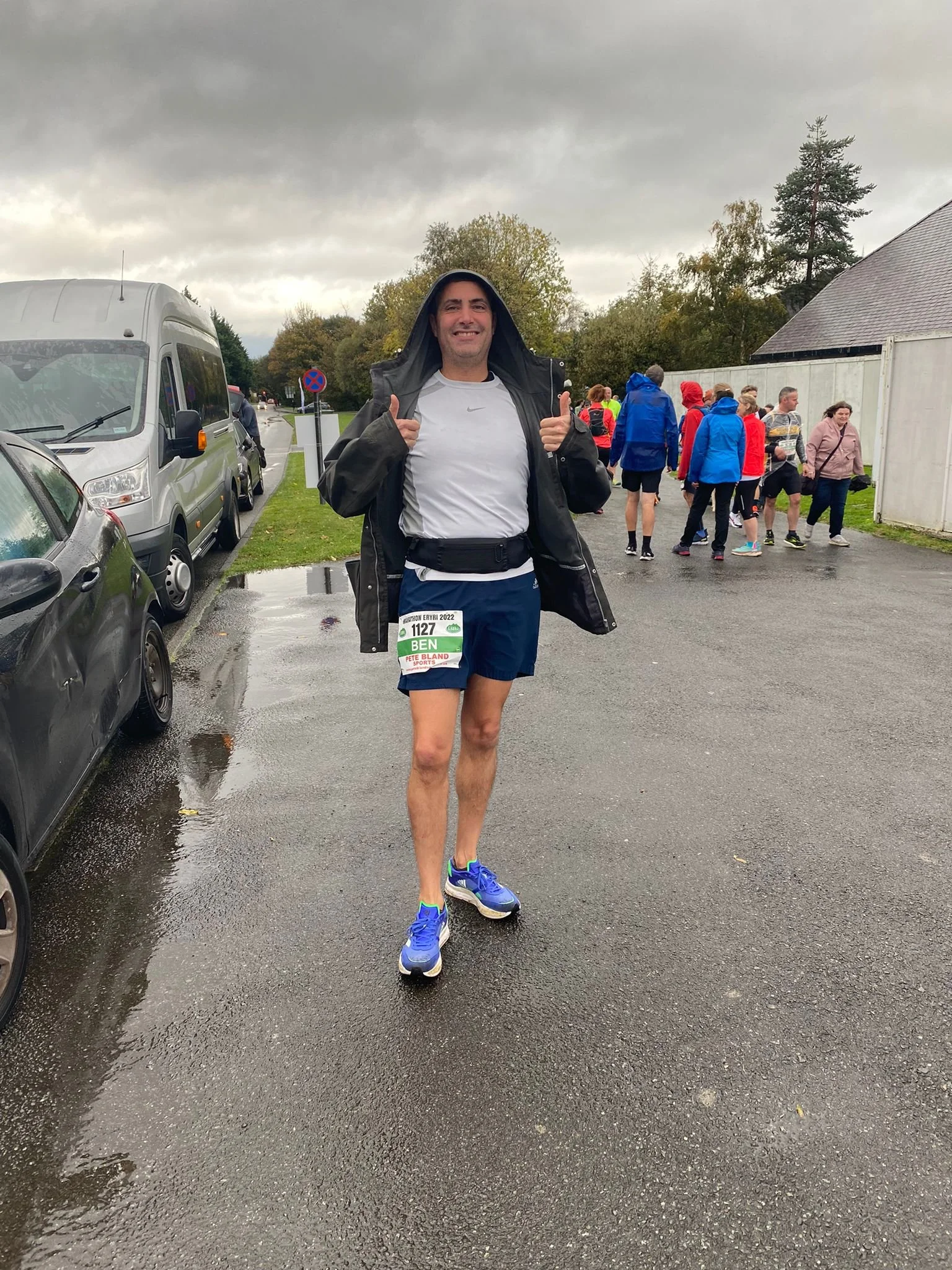
GA: Outside of work, you’re a multi-marathon runner and regularly raise funds for cancer charities. What motivates you to take on these challenges and do long runs ever double as time to think through cost plans and contracts?
Ben: I love running, especially in nature, such as along the coastal footpath near where I live. Having previously run just for fun, I have always been inspired by those who take part in events for a cause. Like them, I see it as a small way of honouring the memory of those we have lost, and contributing to greater awareness of the support needed by those affected.
Running clears my head and enlivens my senses; I don’t run with headphones. You become instantly aware of the sun or rain, the breeze, the waves, and the birds and animals around you. There is also a very lively Springer Spaniel, Milo, who waits all day for the chance to join me and acts as my principal pacer.
Many a thorny problem has been resolved while running along the coast or up in the hills with my thoughts.
GA: Finally, what requires more endurance in your opinion: an international cost plan or a marathon?
Ben: A complex cost plan, hands down. I can be at the marathon finishing line a few hours later, and the cheering on is constant.