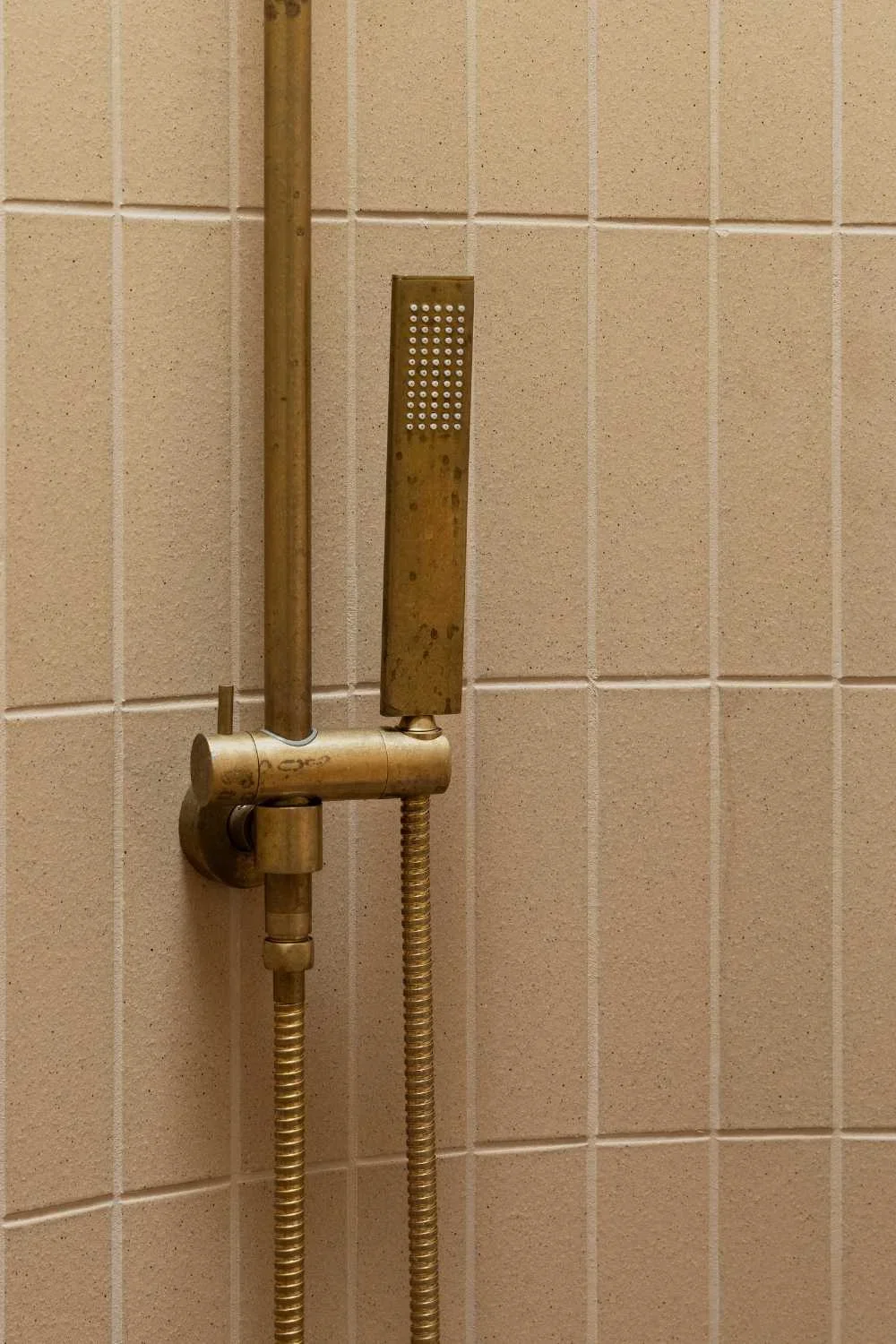
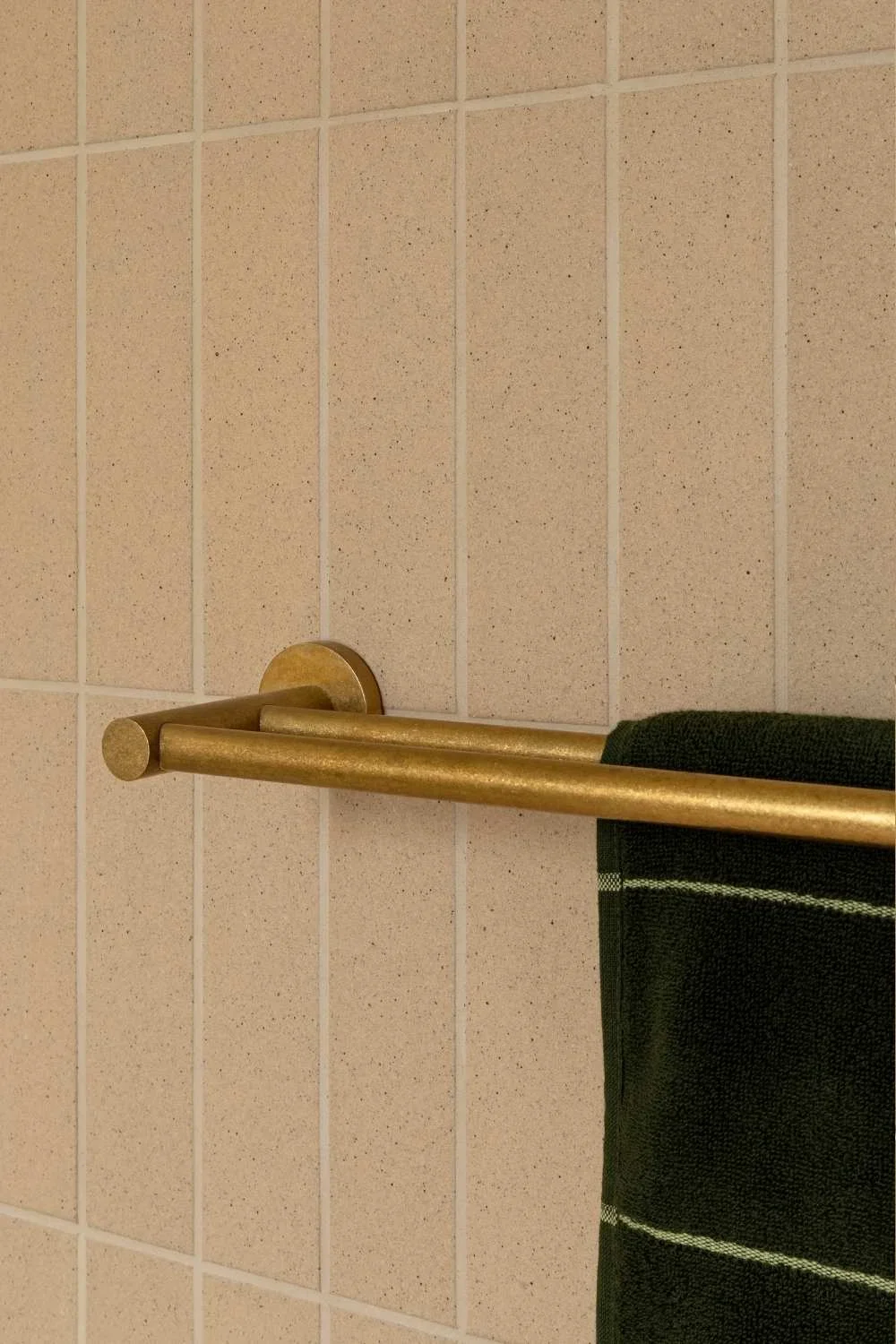
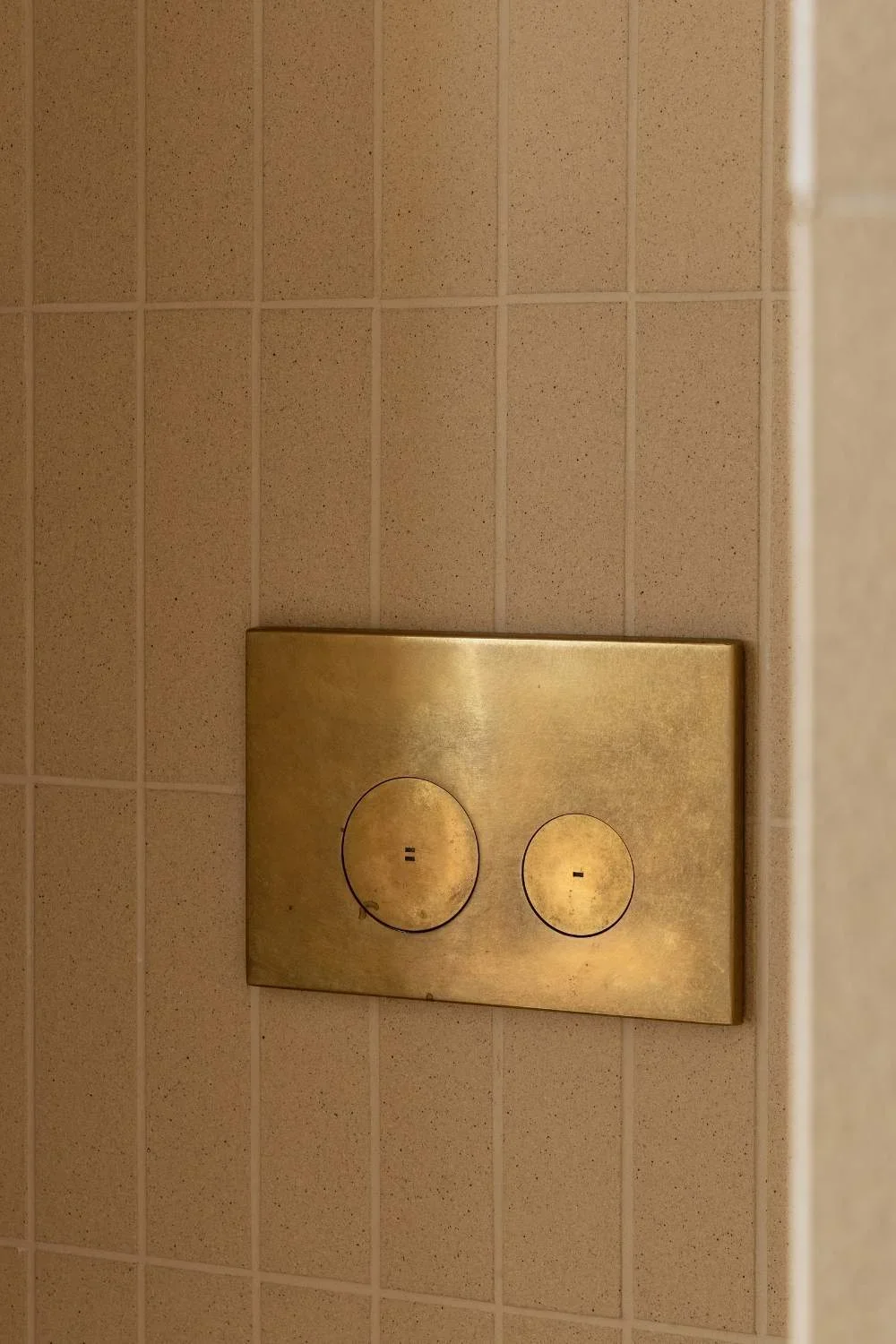
Interview: Mark Poulain, ABI Interiors - Tumble Aged Brass
As interiors move away from polished uniformity towards more tactile, lived-in spaces, tumbled aged brass offers a considered alternative. Created through an abrasive tumbling process, the finish introduces a softly irregular texture and is left unsealed, allowing it to develop a natural patina over time. In environments shaped by constant use, this evolving quality brings warmth and character without overt reference to the past, sitting comfortably within contemporary spaces.
We spoke with Mark Poulain of ABI Interiors about the thinking behind the finish and its growing relevance in hospitality design.
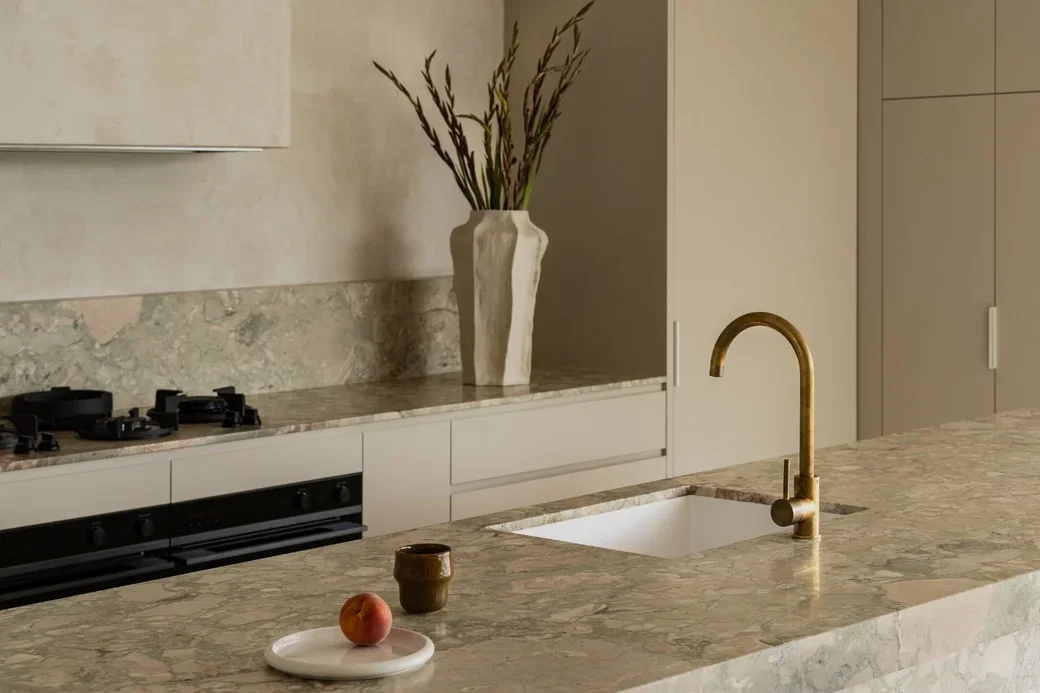
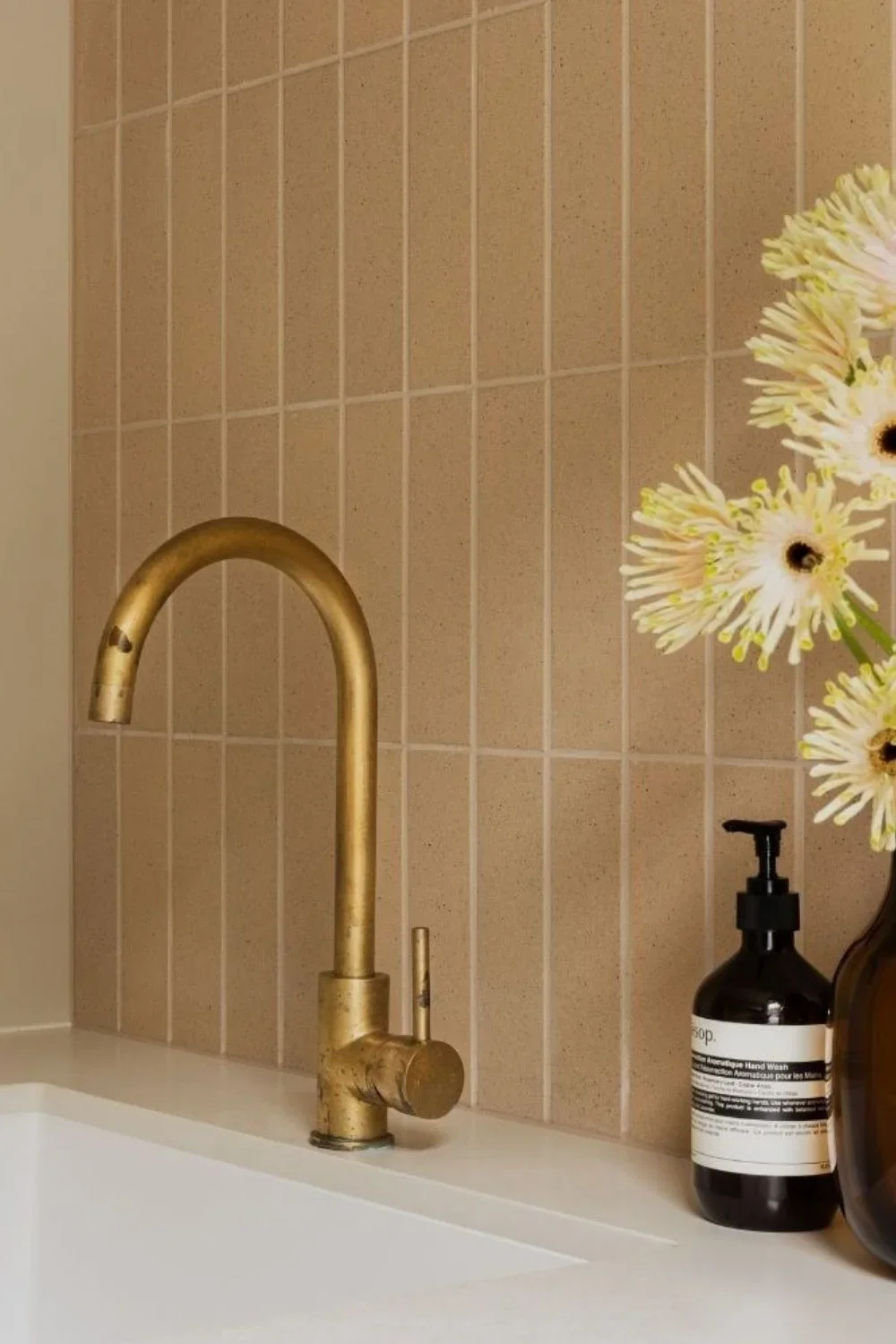
GA : Tumbled aged brass feels quite different from more traditional brass finishes. How would you describe its character and what sets it apart?
Mark:
GA: Can you talk us through the tumbling process and how it influences the final texture and tone?
Mark:
GA: We’re seeing a shift in hospitality interiors towards more tactile, layered materials. Why do you think finishes like tumbled aged brass are resonating right now?
Mark:
GA: One of the defining qualities of this finish is its patina. How should designers think about ageing as part of the design process?
Mark:
GA: In high-traffic environments like hotels or restaurants, how does the material perform over time?
Mark:
GA: Do you think there’s a growing appreciation for materials that change and wear, rather than stay static?
Mark:
GA: In your opinion, what materials or palettes does tumble aged brass pair particularly well with?
Mark:
GA: How do you balance aesthetic appeal with durability and practicality, especially for commercial environments?
Mark:
GA: You offer a range of brass finishes, including brushed brass, antique aurum and tumbled aged brass. How do these differ in character, and how should designers choose between them?
Mark:
GA: Looking ahead, do you see the industry continuing to move towards more natural, evolving materials?
Mark: