
The Kensington Hideaway
kENSINGTON hIGH STREET, LONDON
Opened January 2026
Greenway Associates were the appointed Project Managers and Cost Consultants for The Kensington Hideaway (TKH) - a refined boutique hotel just moments from Kensington Gardens, the Royal Albert Hall and the Design Museum. TKH is a discreet retreat that combines contemporary luxury with timeless detailing, and it’s now open for booking.
The Kensington Hideaway, Kensington High Street, London
OUR ROLE
Warren Lisher and Liam McFaul led the scheme as both Project Managers and Quantity Surveyors, guiding it through design development and construction within the constraints of a tight Kensington High Street site.
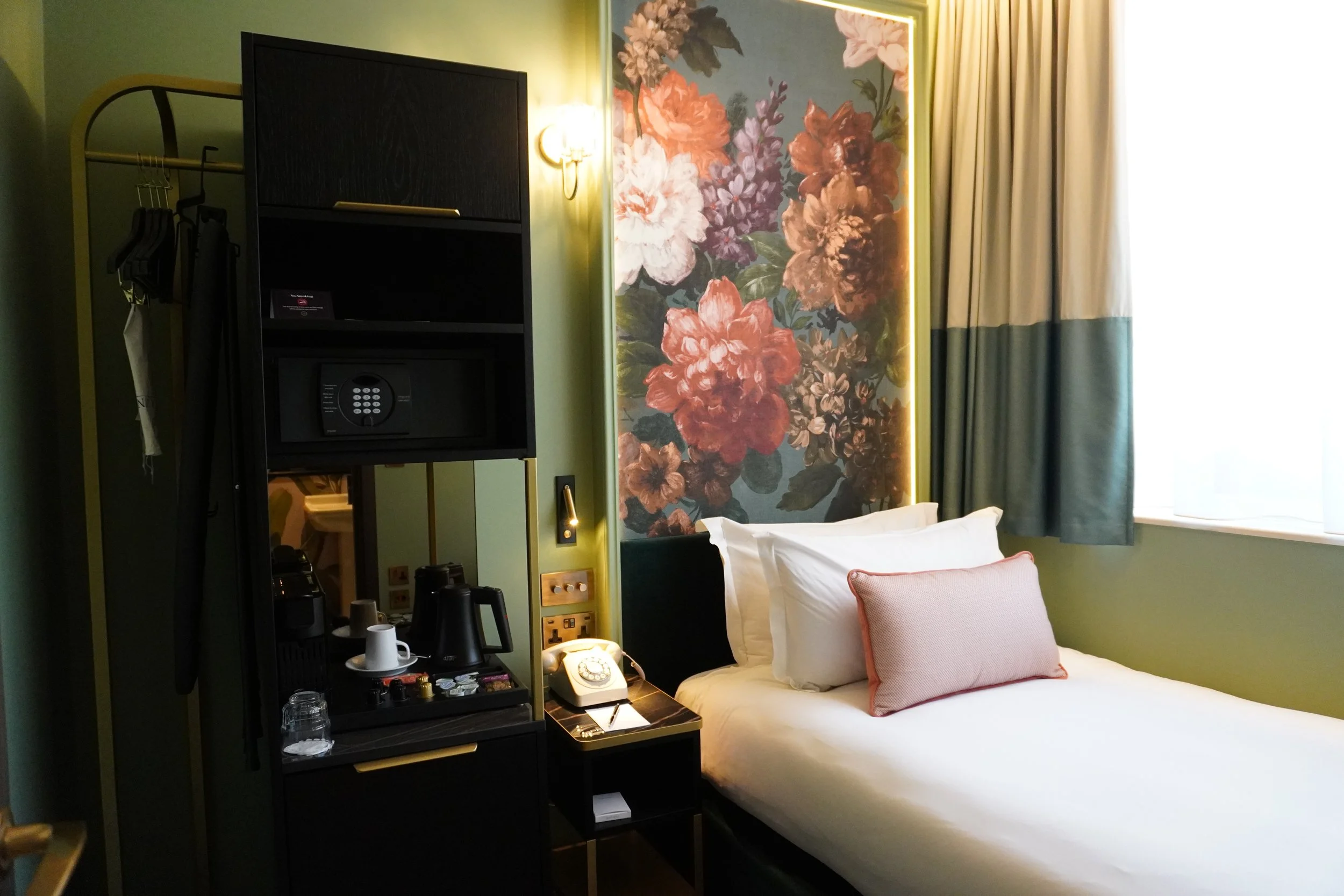
W M Thackerey themed bedroom.
Agatha Christie themed bedroom.
THE PROJECT
The Kensington Hideaway is a 59-room boutique hotel reimagined around a literary-led interior concept designed by Tonik Associates . Arranged over five floors, including a lower-ground level, the hotel offers single, double, queen and king rooms, many of which benefit from abundant natural light. Corner rooms with triple-aspect windows are particularly bright and open, drawing in views across Kensington’s streetscape.
Drawing inspiration from the area's rich literary heritage, guestrooms are themed around notable authors associated with Kensington, including Thackeray, Agatha Christie, T.S. Eliot and P.L. Travers.
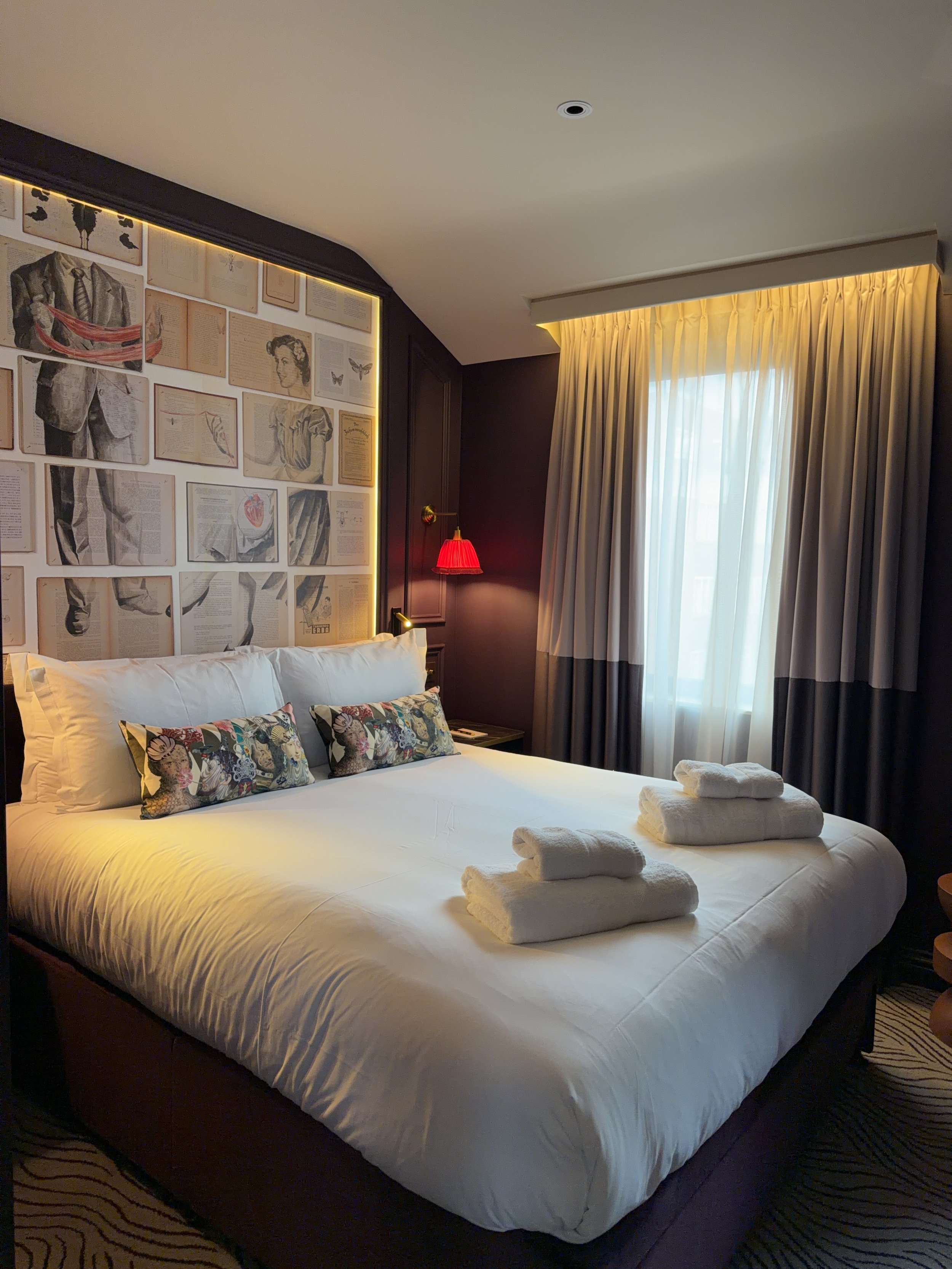
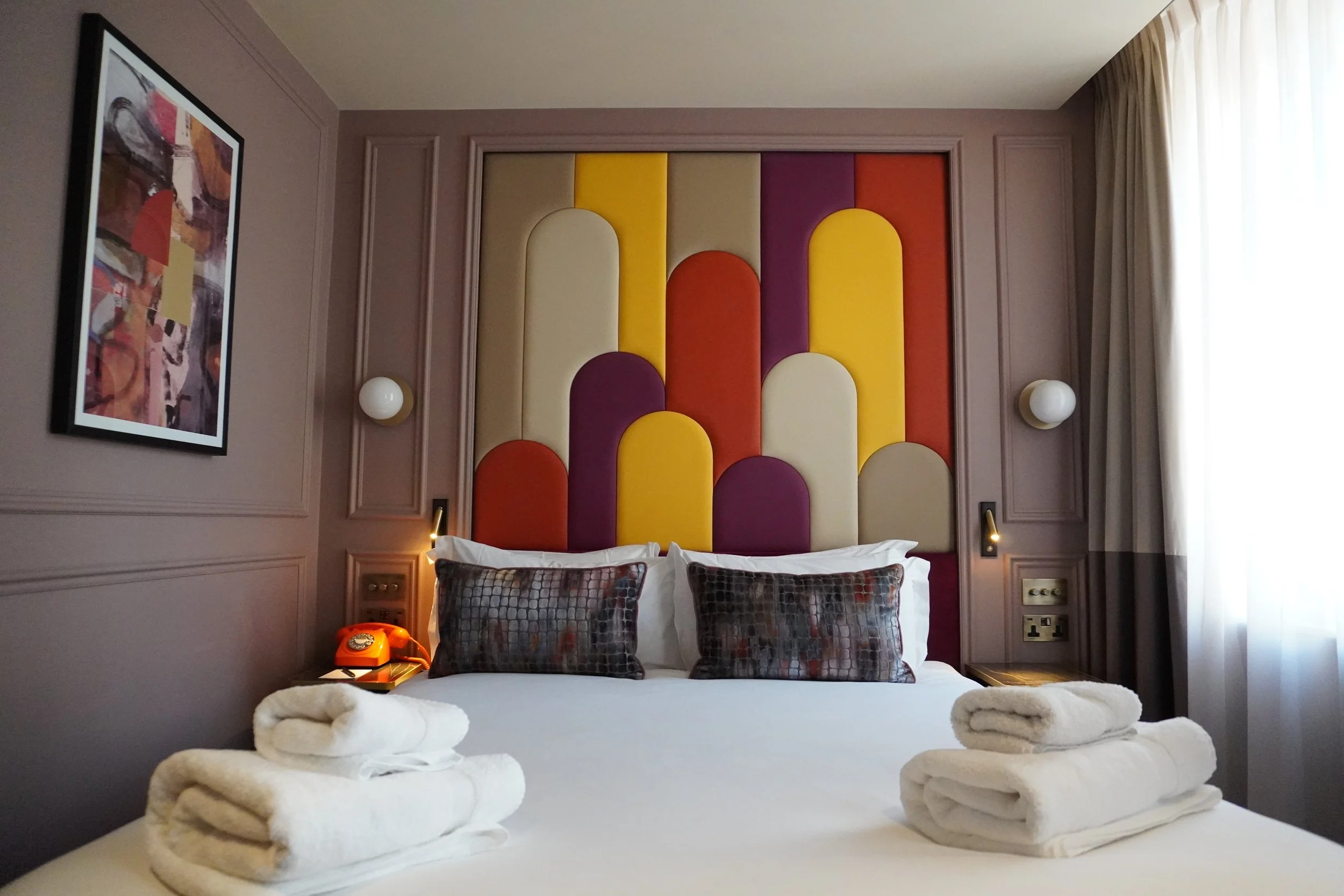
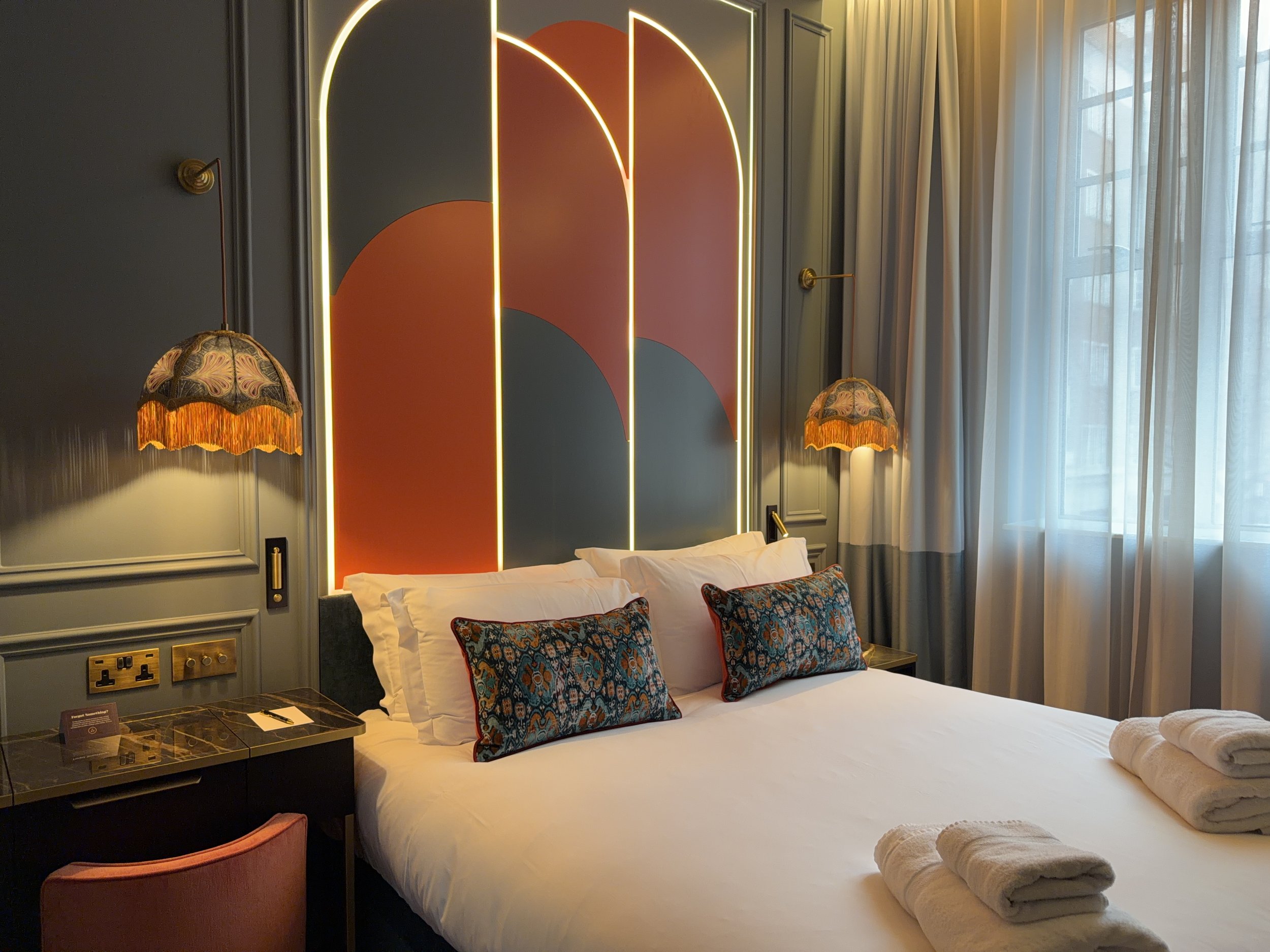
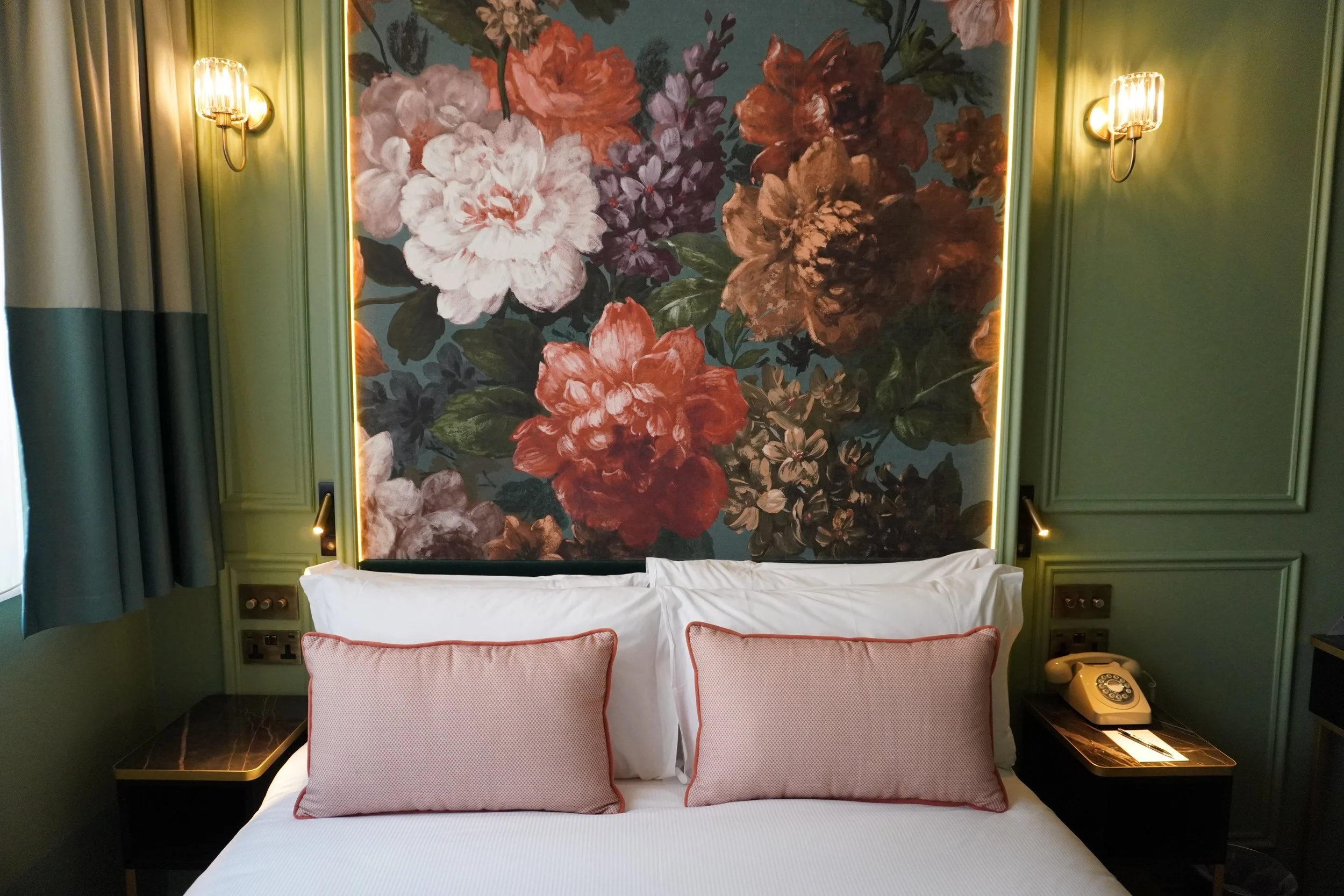
The guestrooms are rich in carefully considered details that reinforce the storytelling concept. Poetry collections, portraits of celebrated writers and quill-inspired decorative elements provide subtle references to the literary figures that shape each room's character. Vintage-style telephones connecting guests to the operator offer a fun, nostalgic touch, while bespoke details such as brass shelving beneath the televisions for remotes reflect a careful attention to the guest experience.
The hotel’s single rooms are a highlight, offering solo travellers and business guests a comfortable stay in a lively area, without the premium price tag often associated with Kensington hotels. Across all room types, bespoke cabinetry integrates refreshment stations, safes and mini fridges alongside open wardrobe and hanging space. Inspired by traditional hotel luggage trolleys, the joinery offers a functional yet playful reference to the golden age of travel and the era of grand hotel bellboys.
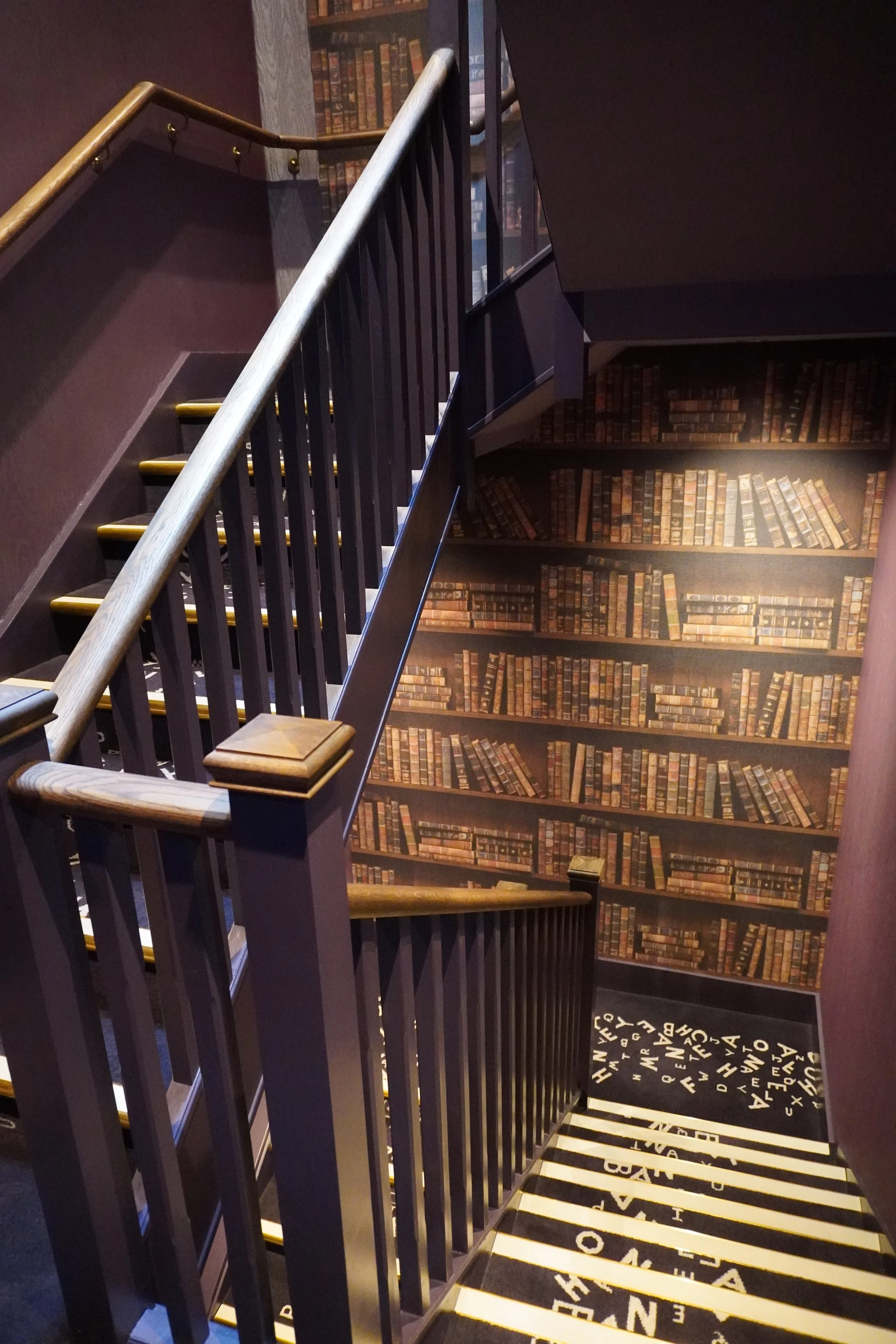
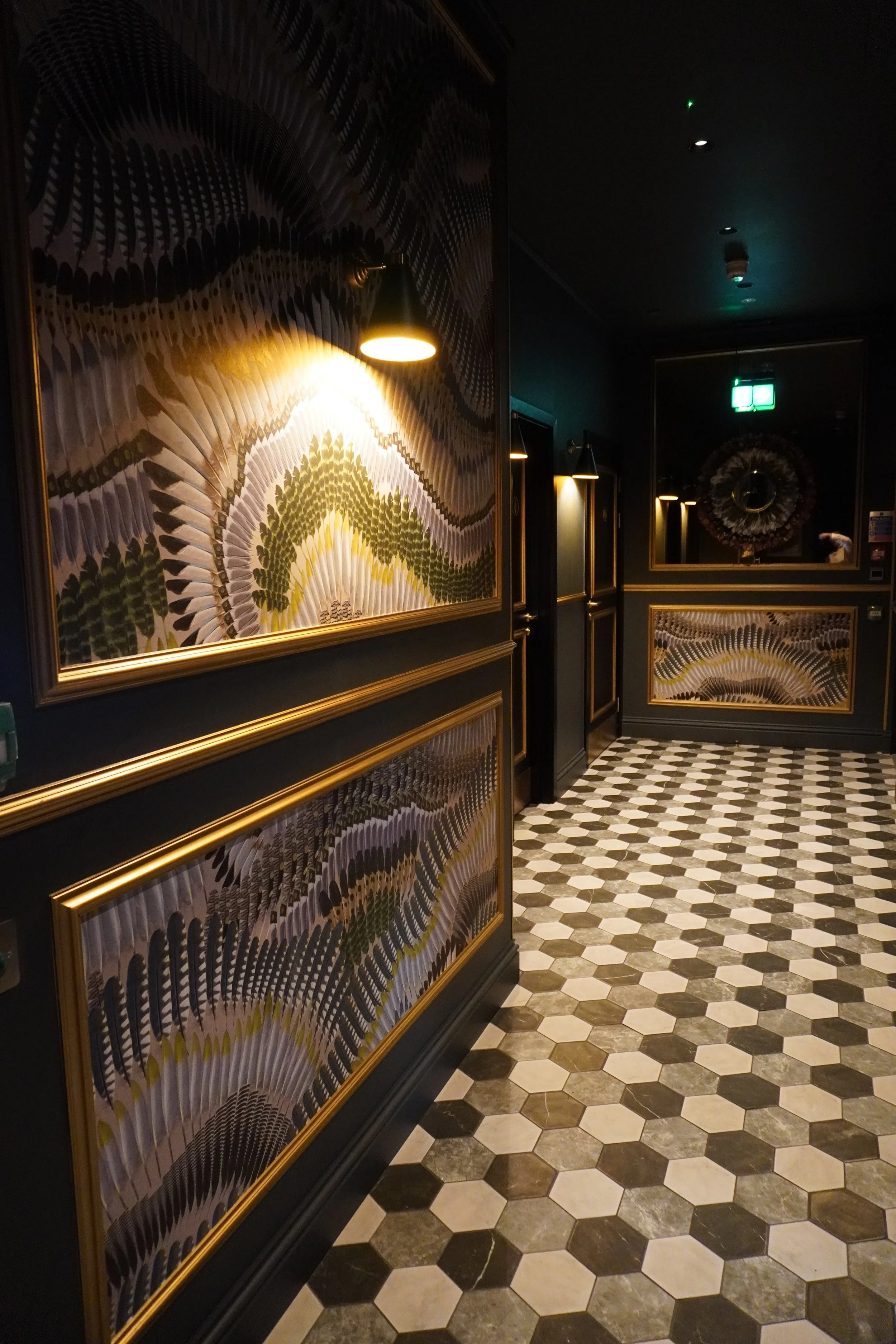
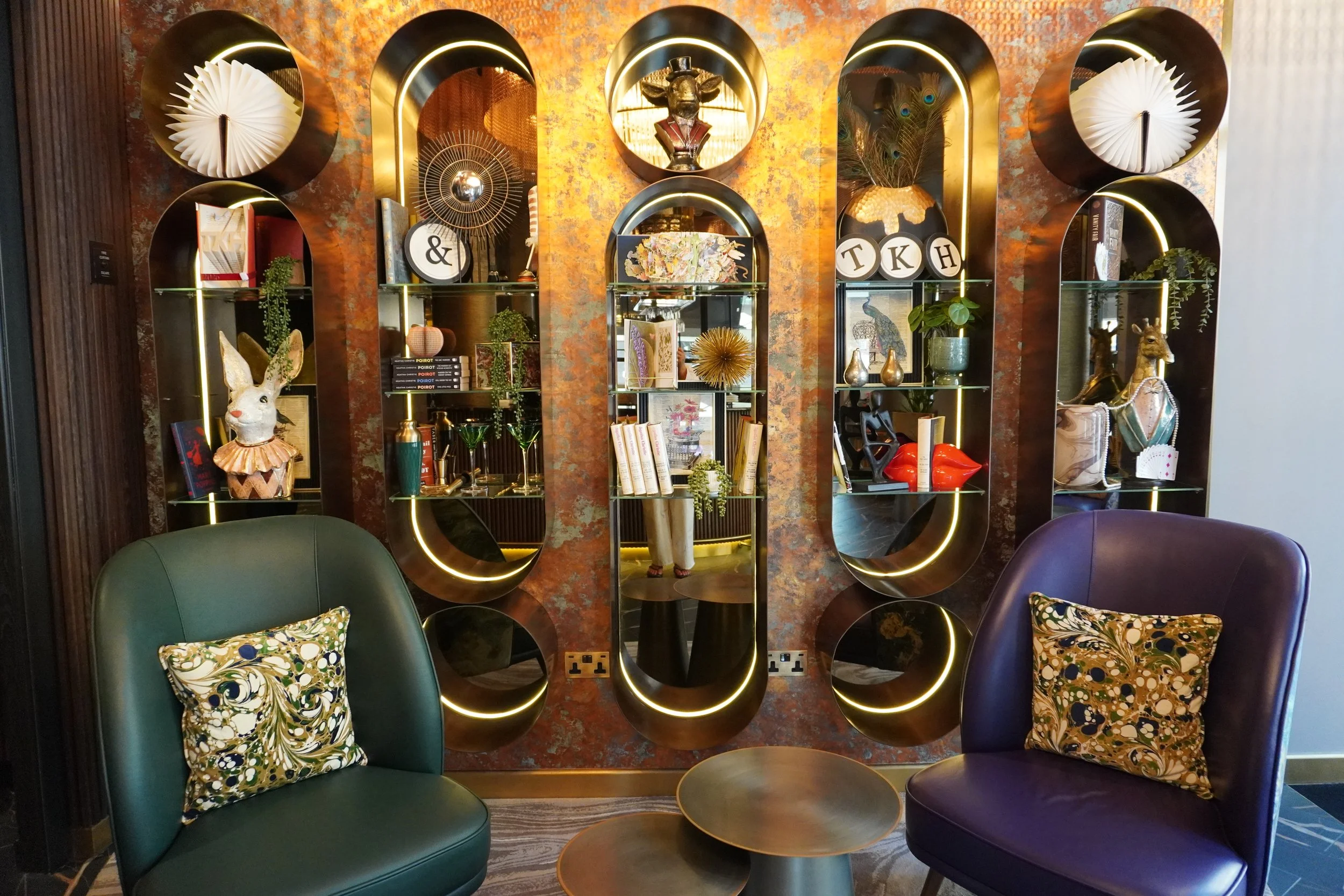
The literary narrative continues beyond the guestrooms and into the circulation spaces. Letters and typographic motifs are woven into the corridor carpets, while the stairwells extend the book-inspired theme through artwork and layered finishes. The recurring quill motif appears throughout the hotel, including within larger feature artworks in the shared areas, creating visual connections between the different spaces.
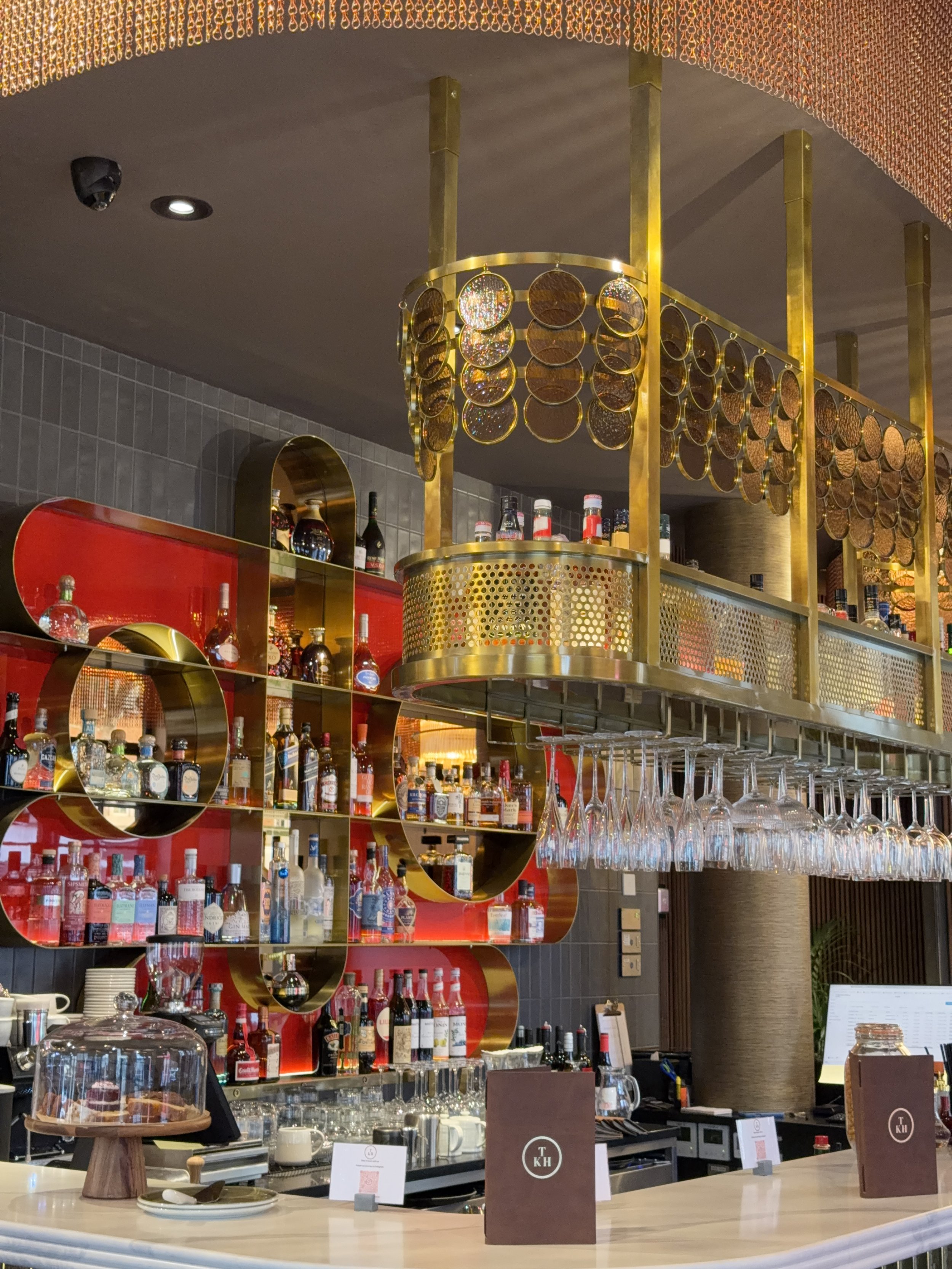
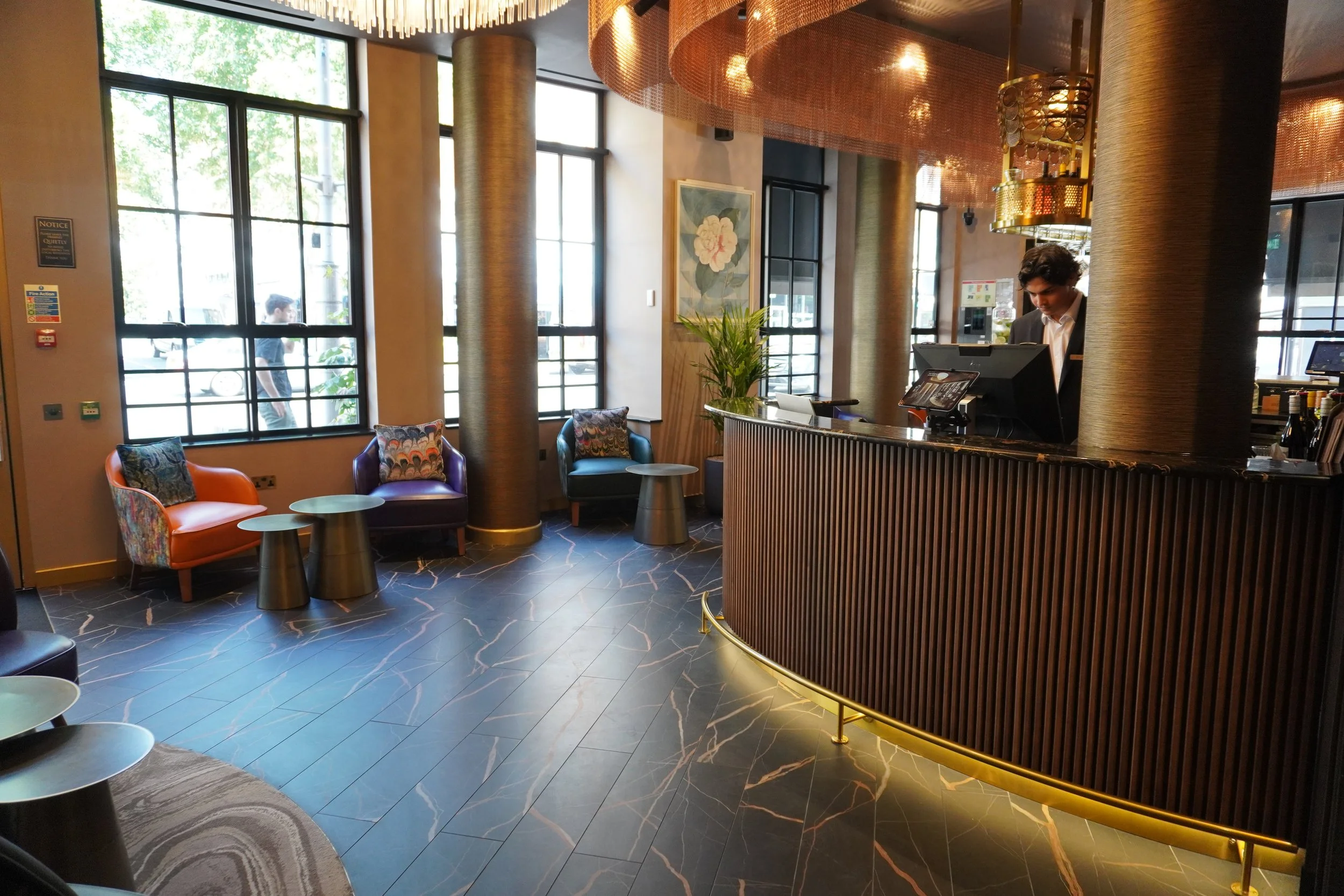
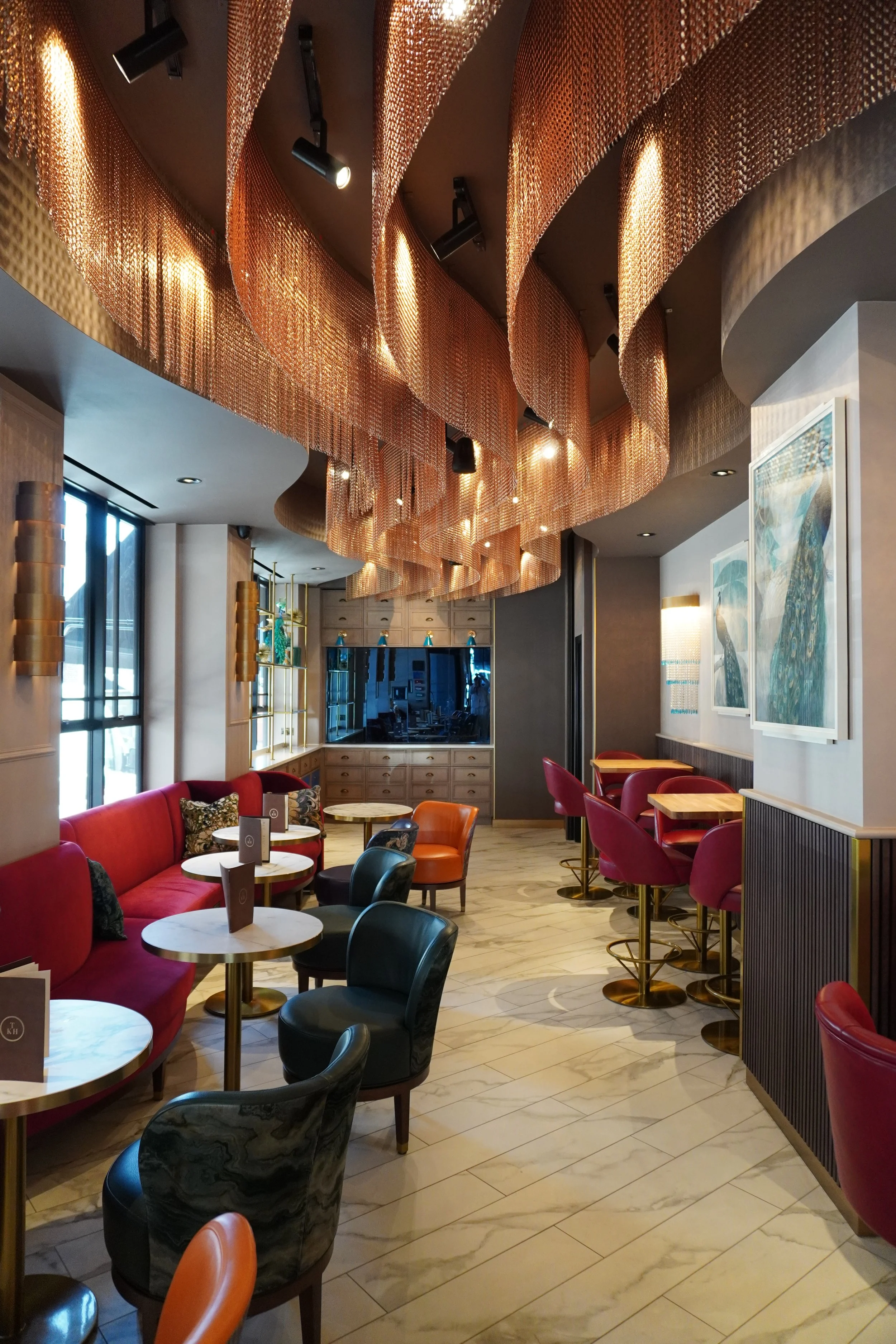
At ground level, the lobby, bar and restaurant have been designed as intimate social spaces that serve both hotel guests and the local community. Rich materials, sculptural lighting and bespoke joinery are paired with velvet banquettes, marble-topped tables and warm metallic accents. Thoughtfully designed, the space transitions seamlessly from morning coffee through to evening drinks, acting as the social heart of the hotel.
PROJECT ACHIEVEMENTS
Working closely alongside JMK Group, Greenway Associates delivered the refurbishment of TKH as a technically complex and heritage-sensitive scheme, balancing precision with a respect for the existing building fabric.
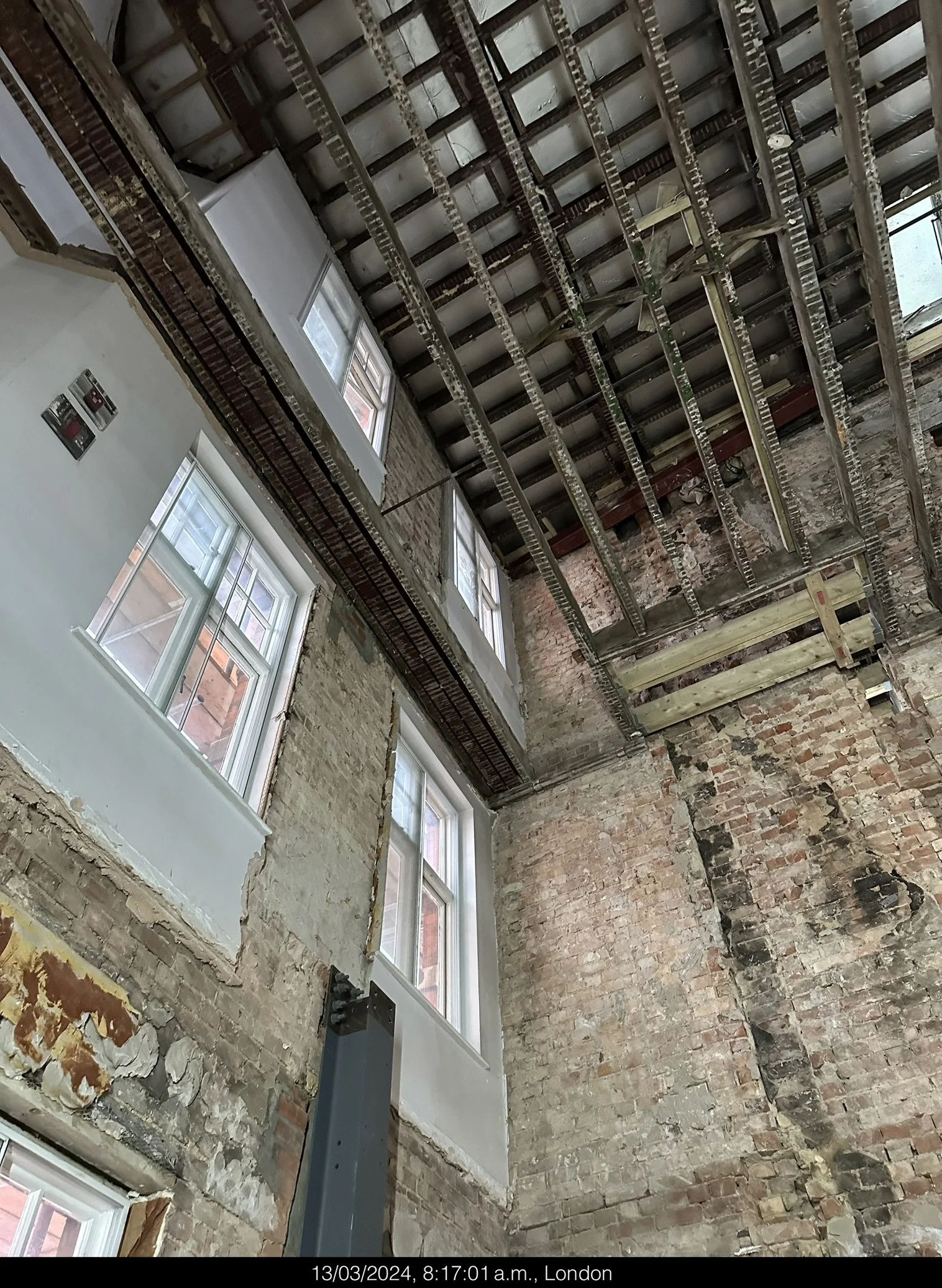
The project revealed and celebrated key elements of the original structure, including striking curved steel beams and resilient mid-20th-century brickwork uncovered during the works. These features informed the new design approach, which responds with a bespoke curved stone cladding system, pre-fabricated off-site to exacting tolerances.
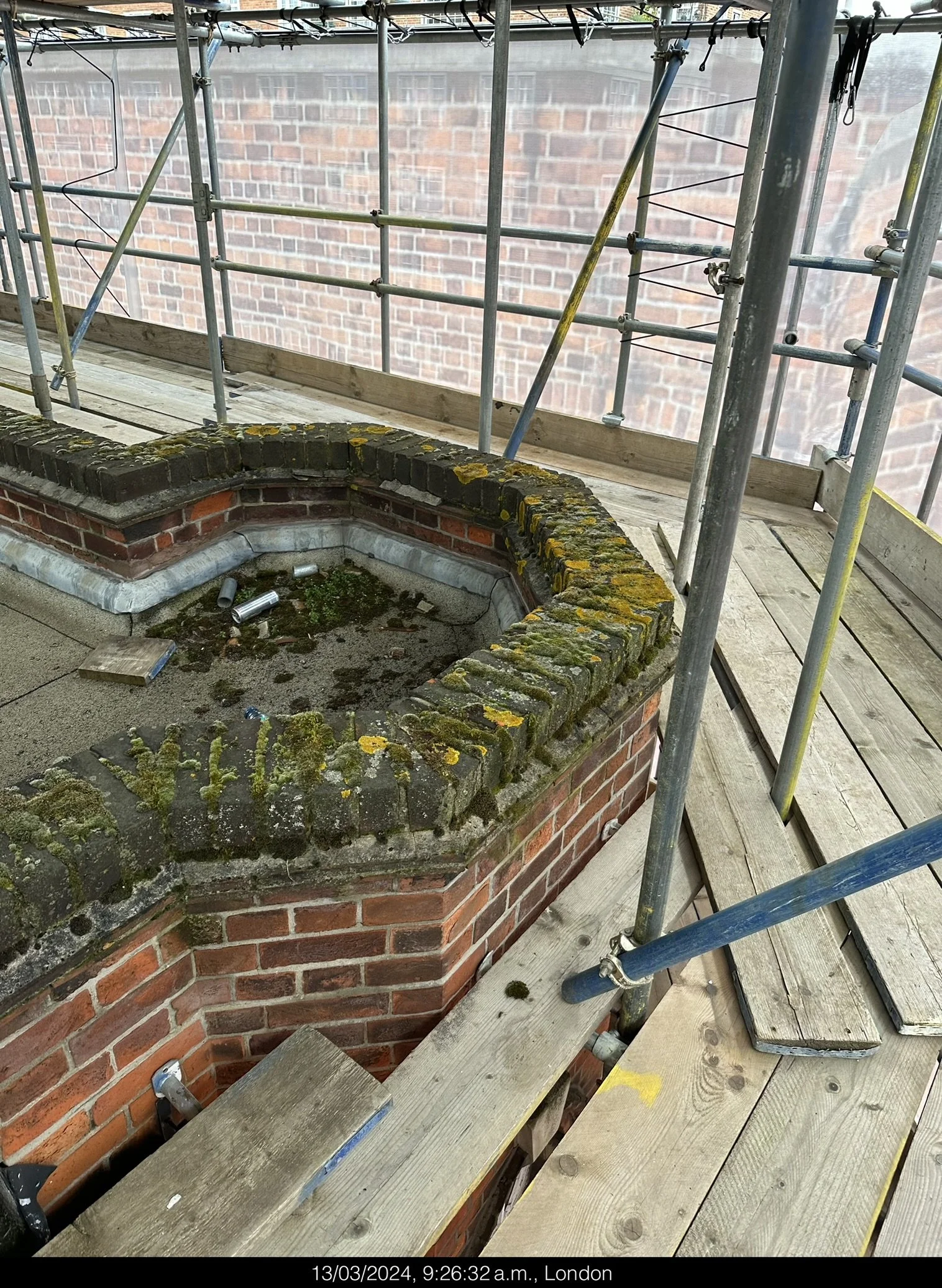
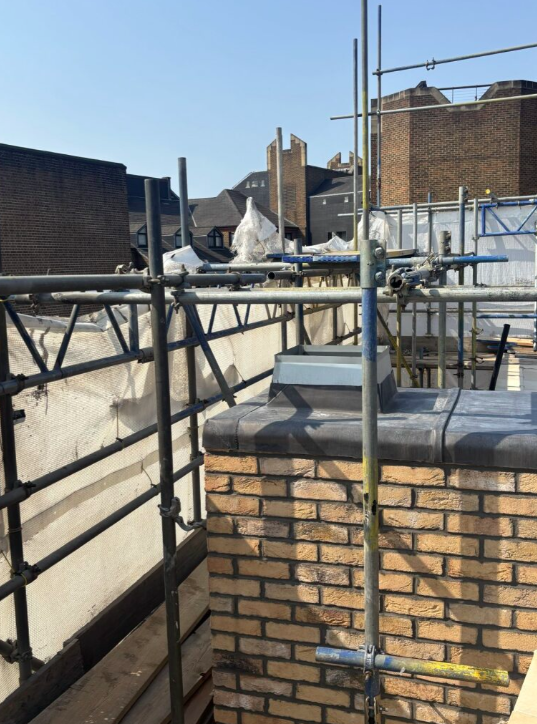
A new lead roof and complementary cladding were also introduced, carefully detailed to integrate with the retained façade and ensure a cohesive architectural expression across old and new.
Sustainability was central to the scheme, with the project targeting BREEAM Excellent and LEED Gold certifications. These ambitious benchmarks reflect both the client’s commitment to responsible design and Greenway Associates’ ability to manage a complex, high-quality refurbishment through to completion.
The result is a carefully considered refurbishment that combines technical rigour with a clear design vision, delivered within a constrained and highly sensitive central London site.
CHALLENGES ON SITE
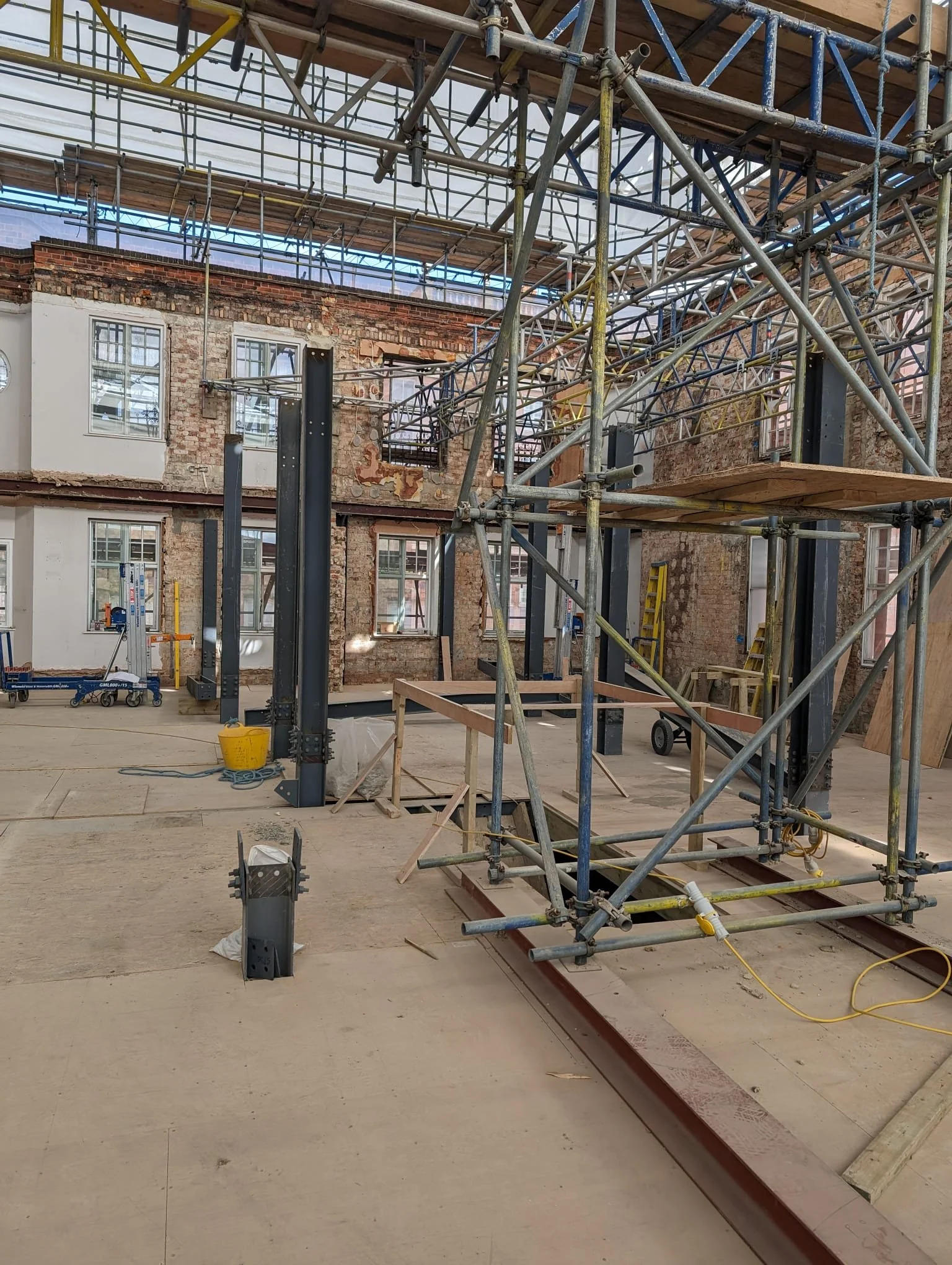
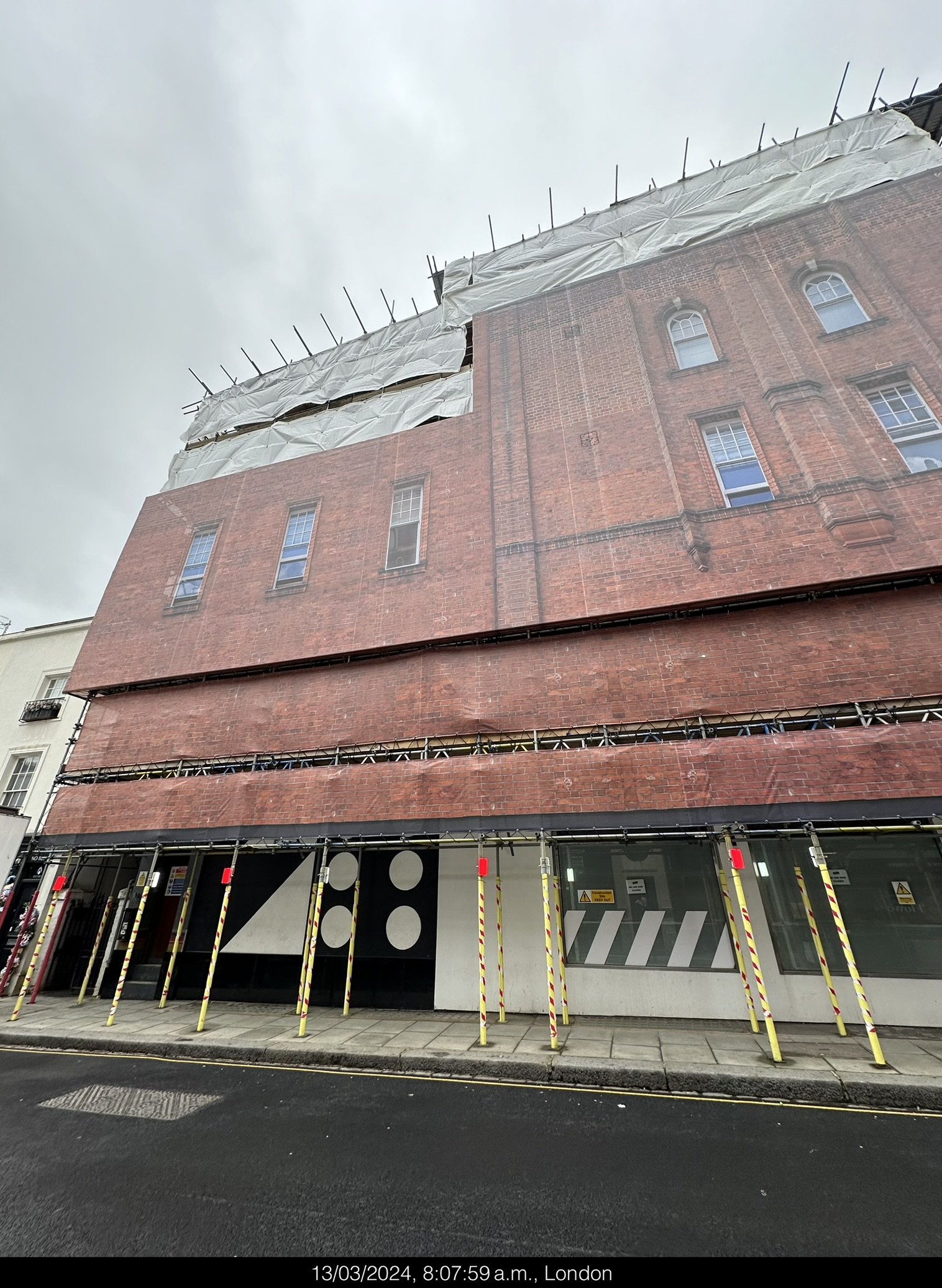
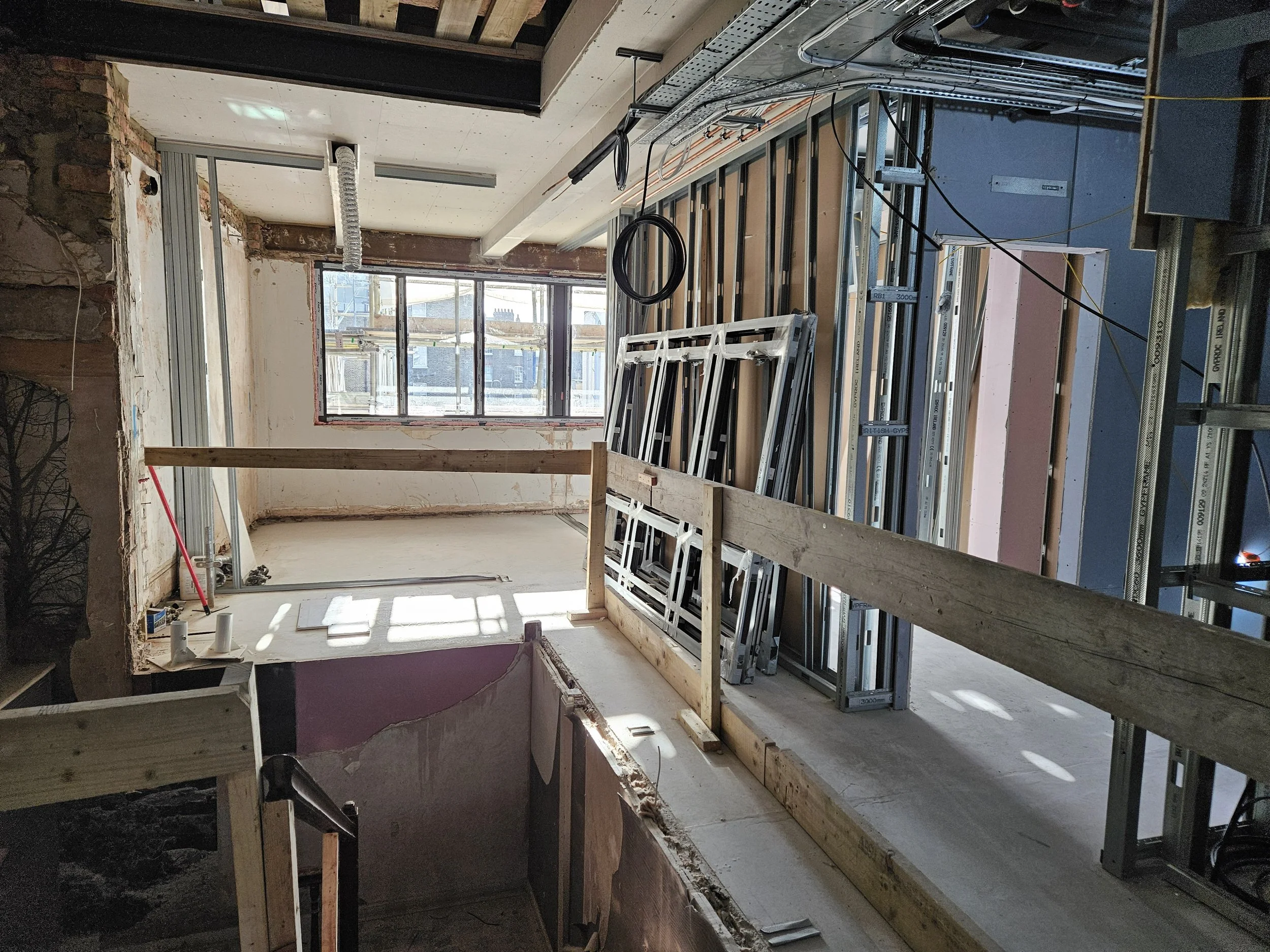
From a cost consultant’s perspective, TKH presented a series of technical and logistical challenges that required careful planning and coordination. Originally two separate buildings, the hotel had a complex structural layout. During refurbishment, the central “spine wall” dividing the properties was removed along with the roof and most internal walls, leaving only the external façades intact. This approach demanded extensive temporary steel bracing to maintain the building’s stability throughout construction, while allowing the new design to be implemented safely and efficiently.
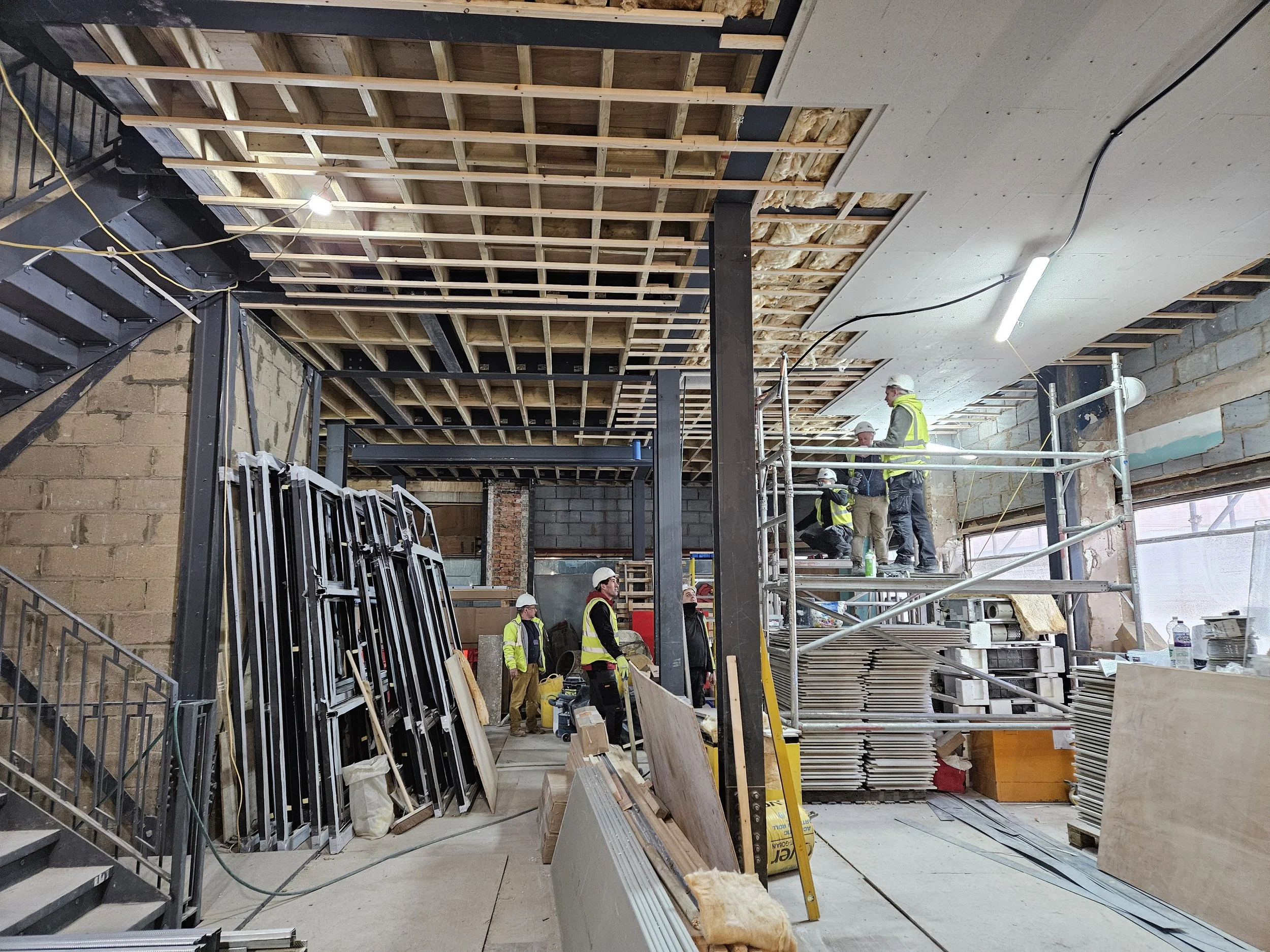
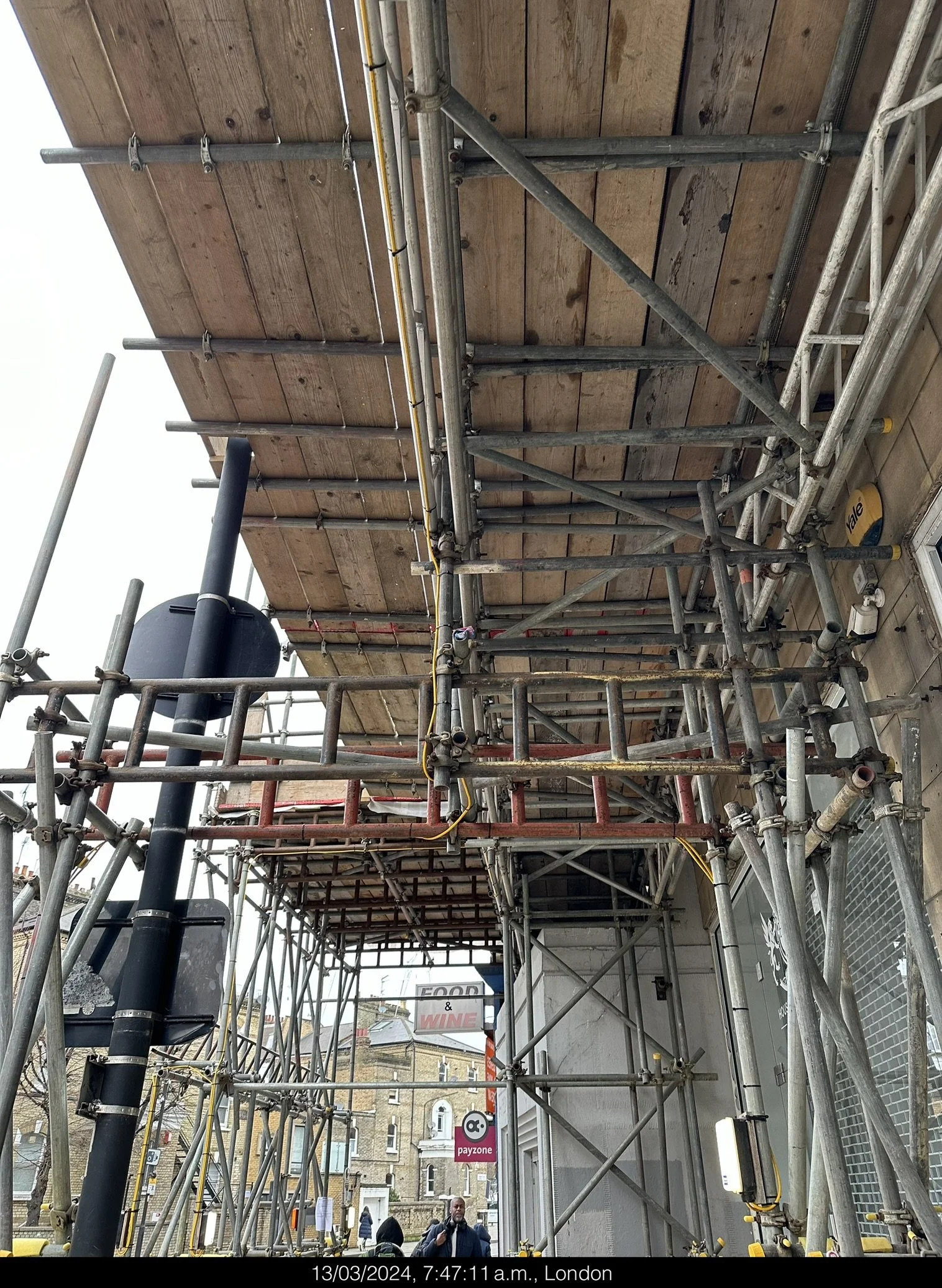
The project was further constrained by its tight urban site on Kensington High Street. With no space to store materials on-site, deliveries had to be carefully sequenced and installed immediately, and rubble was cleared daily to avoid obstruction. Vertical access was also limited: without permission for road closures, and with no external hoist or chute available, large steel members for the new floor could not be craned in. Instead, these elements were redesigned into smaller, lighter components, brought through the building and assembled on-site, ensuring both structural integrity and adherence to programme.
THE DETAILS
Client: JMK Group
Designer: Tonik
QS/ PM: Greenway Associates
Architect: Studio Moren
Structural Engineer: Clancy Consulting
MEP: McDermott Consulting