
Spotlight On: The Barbican Conservatory
What do you get when you put 1,500 species of plants inside one of London's most famous Brutalist buildings? A surprisingly complicated ecosystem. Tucked above the Barbican Theatre, the Conservatory is part jungle, part glasshouse and a remarkable meeting of nature and architecture. But beneath the lush planting lies a complex web of infrastructure, conservation and careful planning. We’re taking a closer look at what it takes to keep this extraordinary space thriving.
Credit: Barbican Conservatory
THE CONSERVATORY
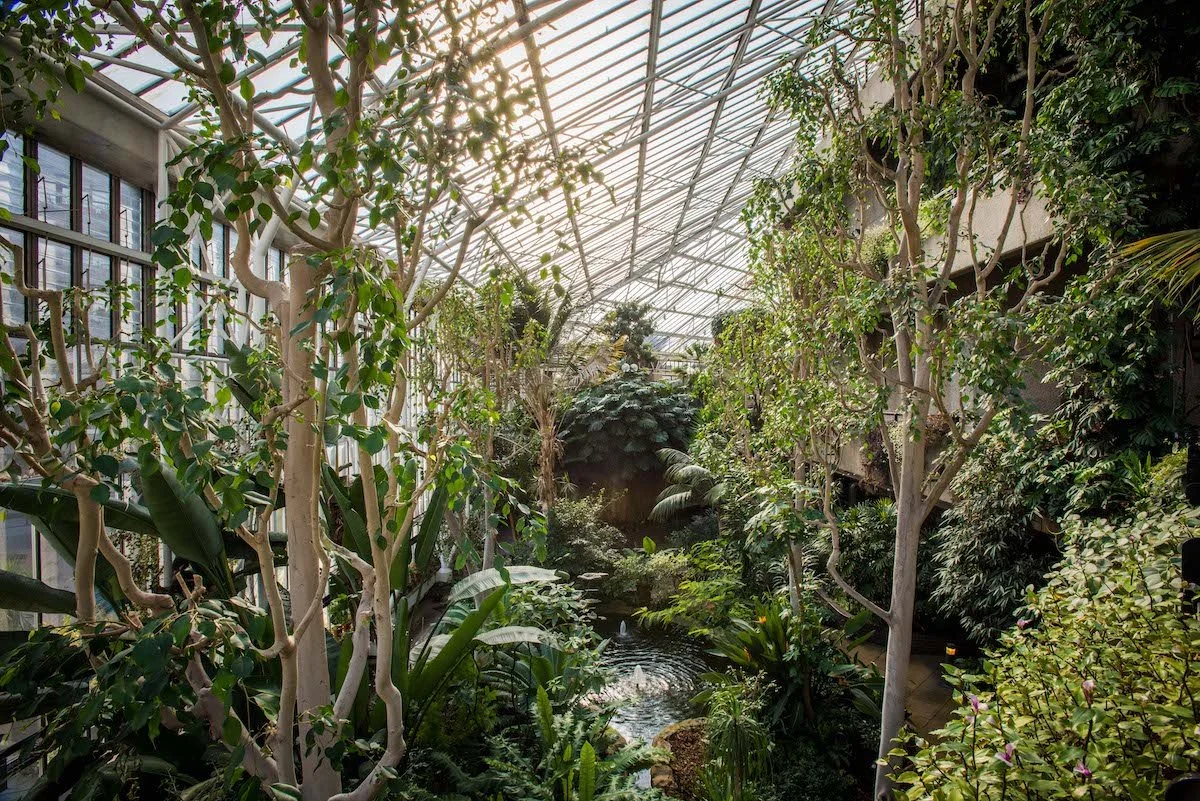
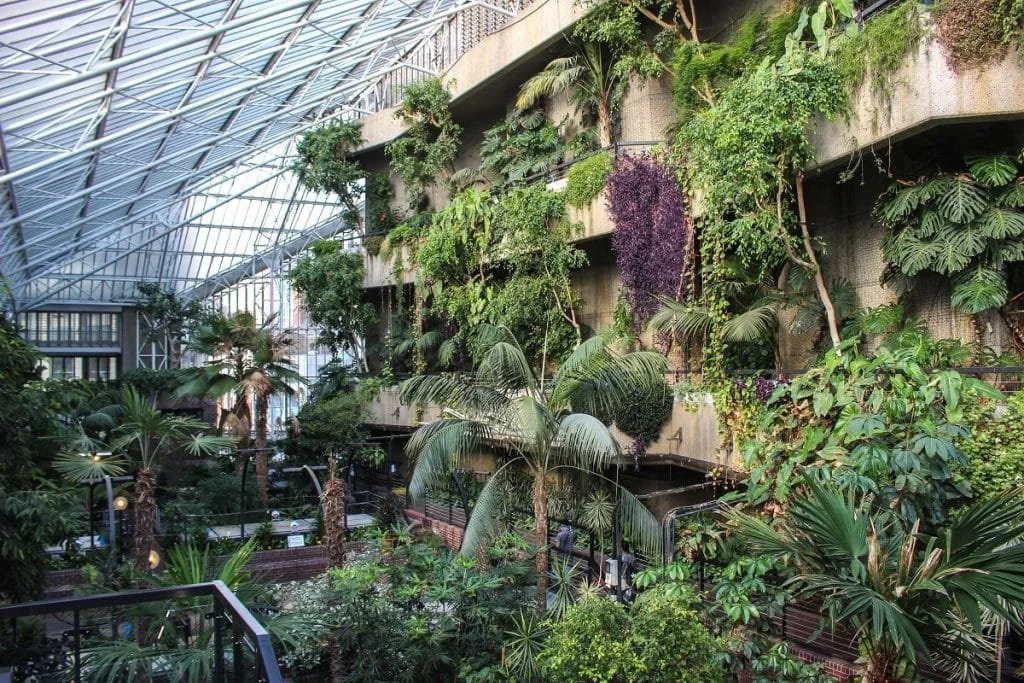
Inside the Barbican's concrete complex is a very different kind of landscape: lush, green and very much alive. Beneath the glass roof, an extraordinary collection of tropical, subtropical and arid plants creates an unexpected escape amongst the concrete and steel. Some are rare or endangered in their natural habitats, with the collection spanning species from places including South Africa and Brazil.
There are also koi, carp and terrapins making themselves at home in the Conservatory's pools. It is quite the cast of characters.
The relationship between the planting and the architecture is part of what makes the space so distinctive. The Barbican describes it as "eco-Brutalism", with bold, dramatic planting set against the raw concrete and steel of the original building. But for all its greenery and charm, the Conservatory is showing its age.
Designed more than 40 years ago, the conservatory and some of its essential infrastructure are now reaching the end of their life.
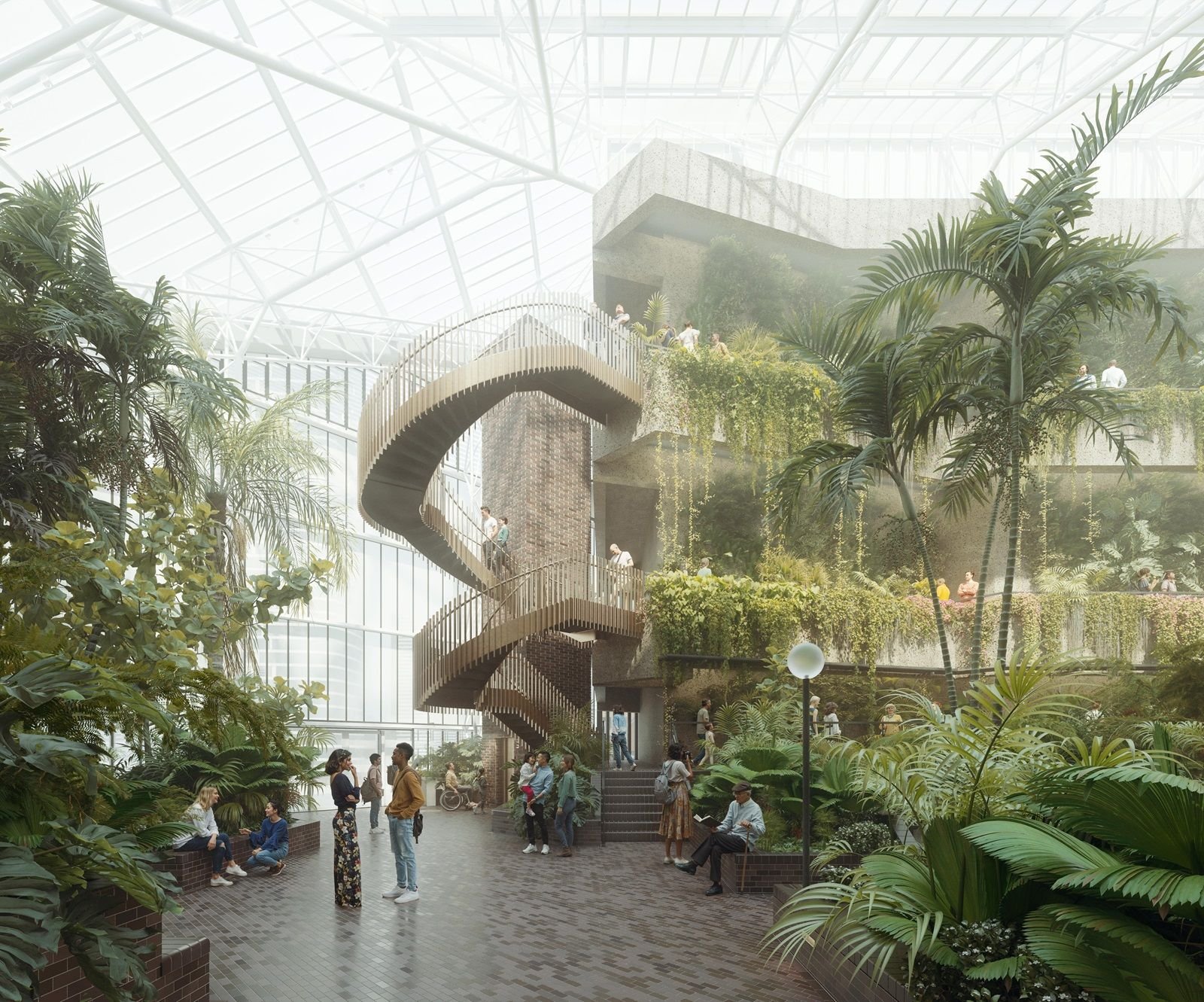
The existing layout also makes parts of the Conservatory difficult to access, with narrow paths, steps and stairs limiting how much of the space can be enjoyed by visitors.
For Greenway Associates, these layers of complexity are what make the Conservatory such an interesting part of the Renewal Programme. As Cost Consultant, our role is to help the wider project team understand and manage the costs associated with renewing the building, its infrastructure and the specialist requirements of this unique environment.
The question now is how to carry out this transformation while looking after everything that makes the Conservatory what it is, including its rather extensive cast of green residents.
Credit: Barbican Conservatory
Credit: Barbican Conservatory
THE JOURNEY OF THE PLANTS
So, what happens to a jungle when its home is about to undergo a major refurbishment?
It turns out, the plants have their own journey to make.
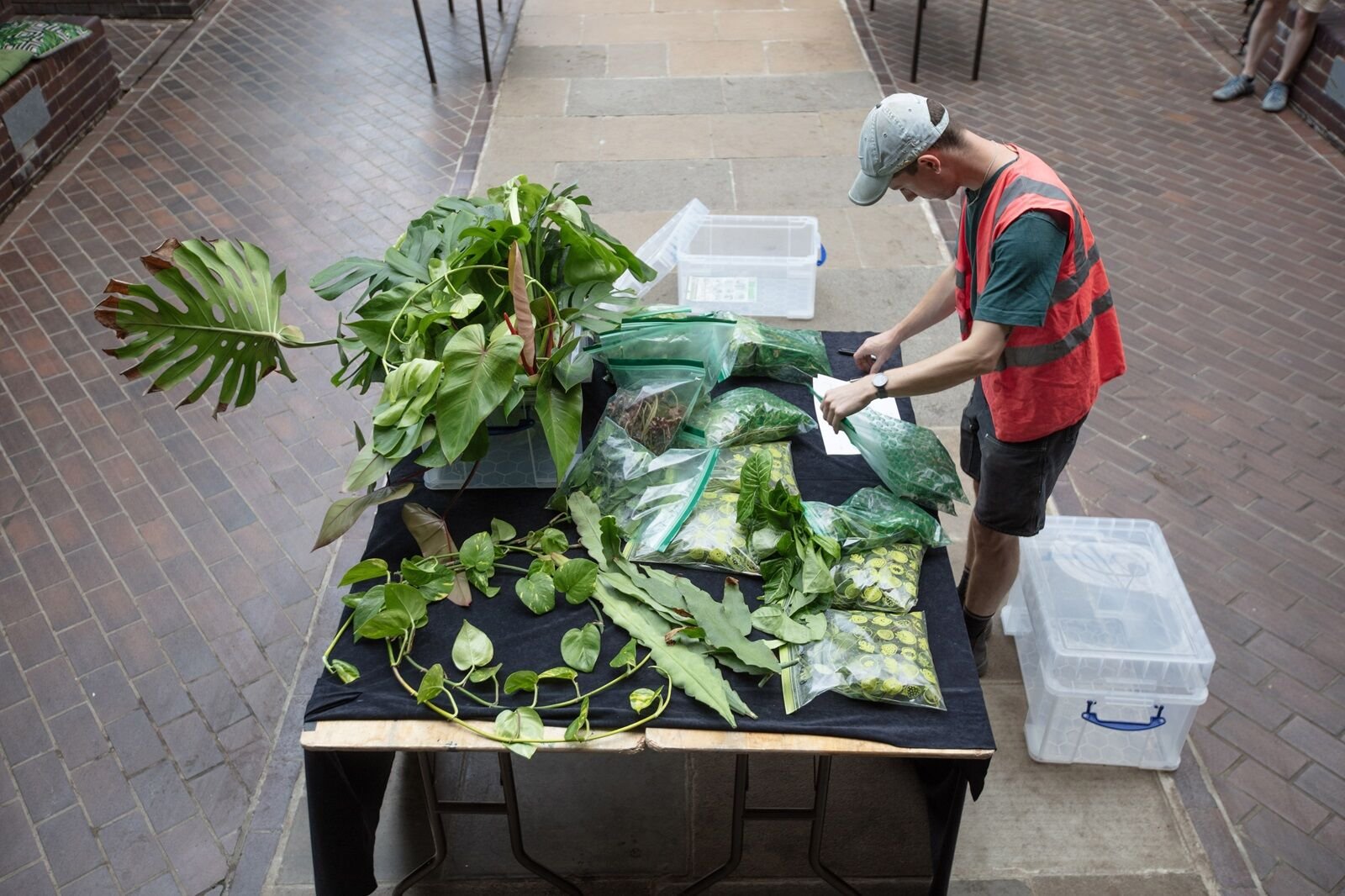
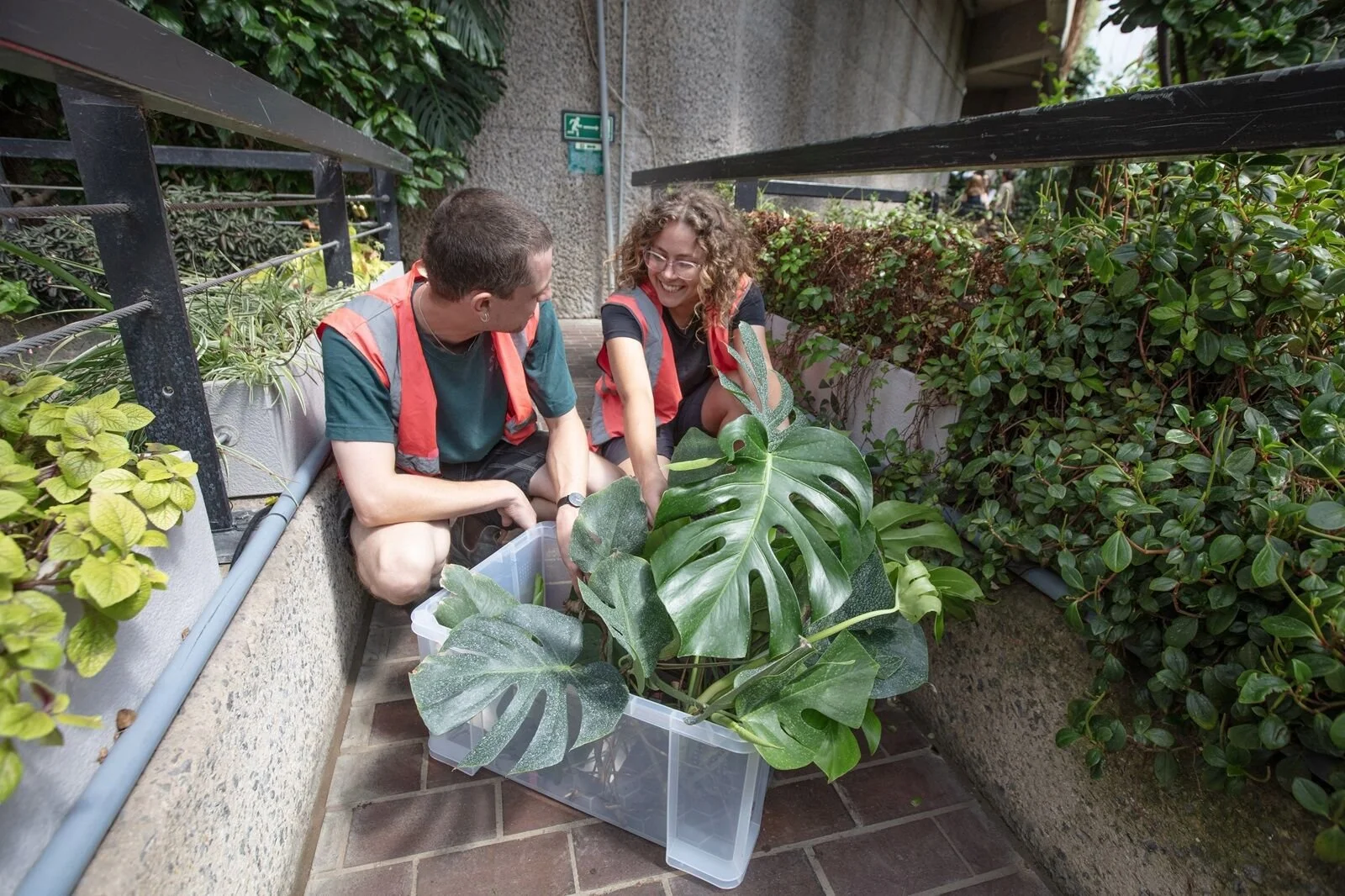
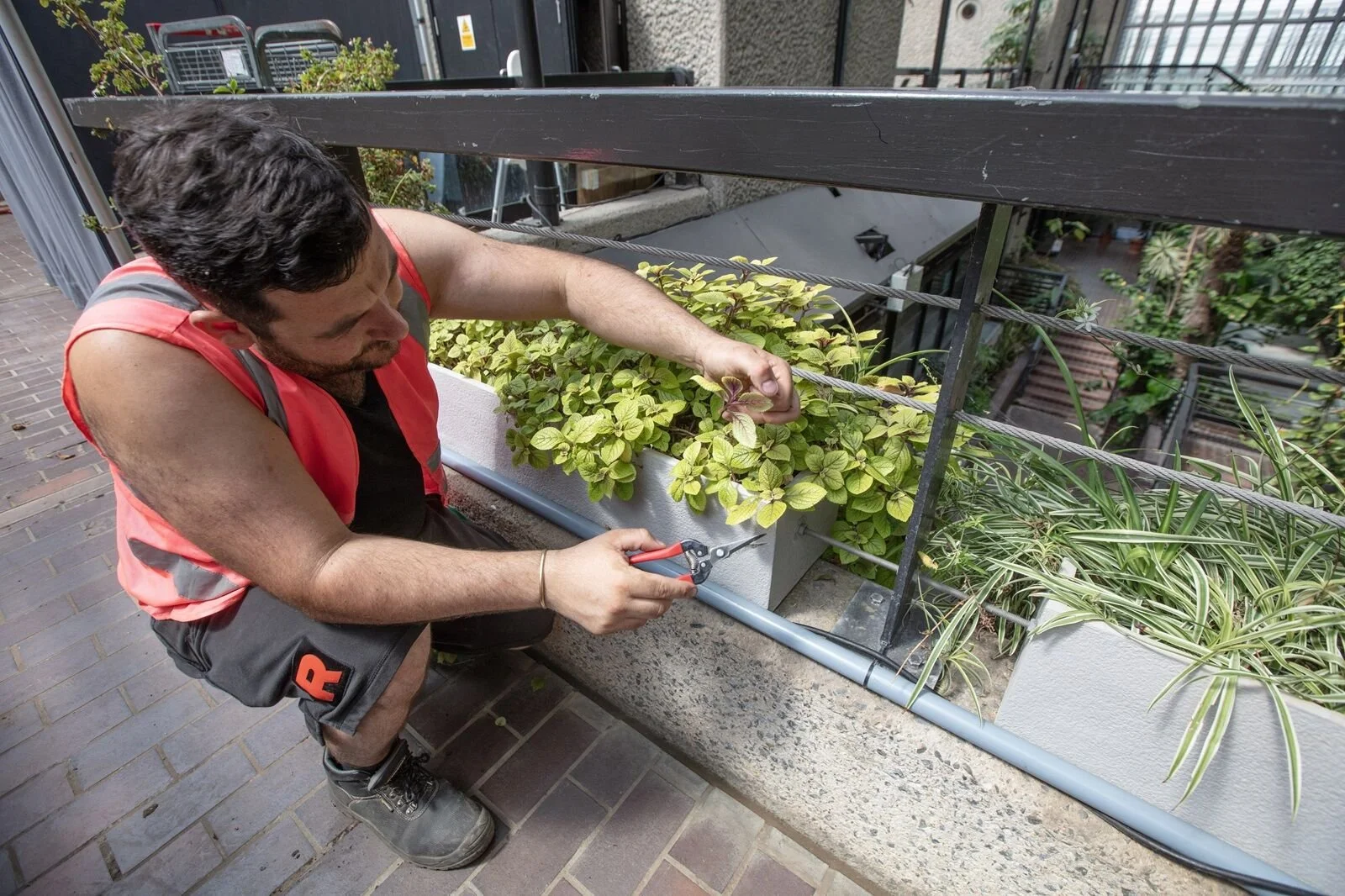
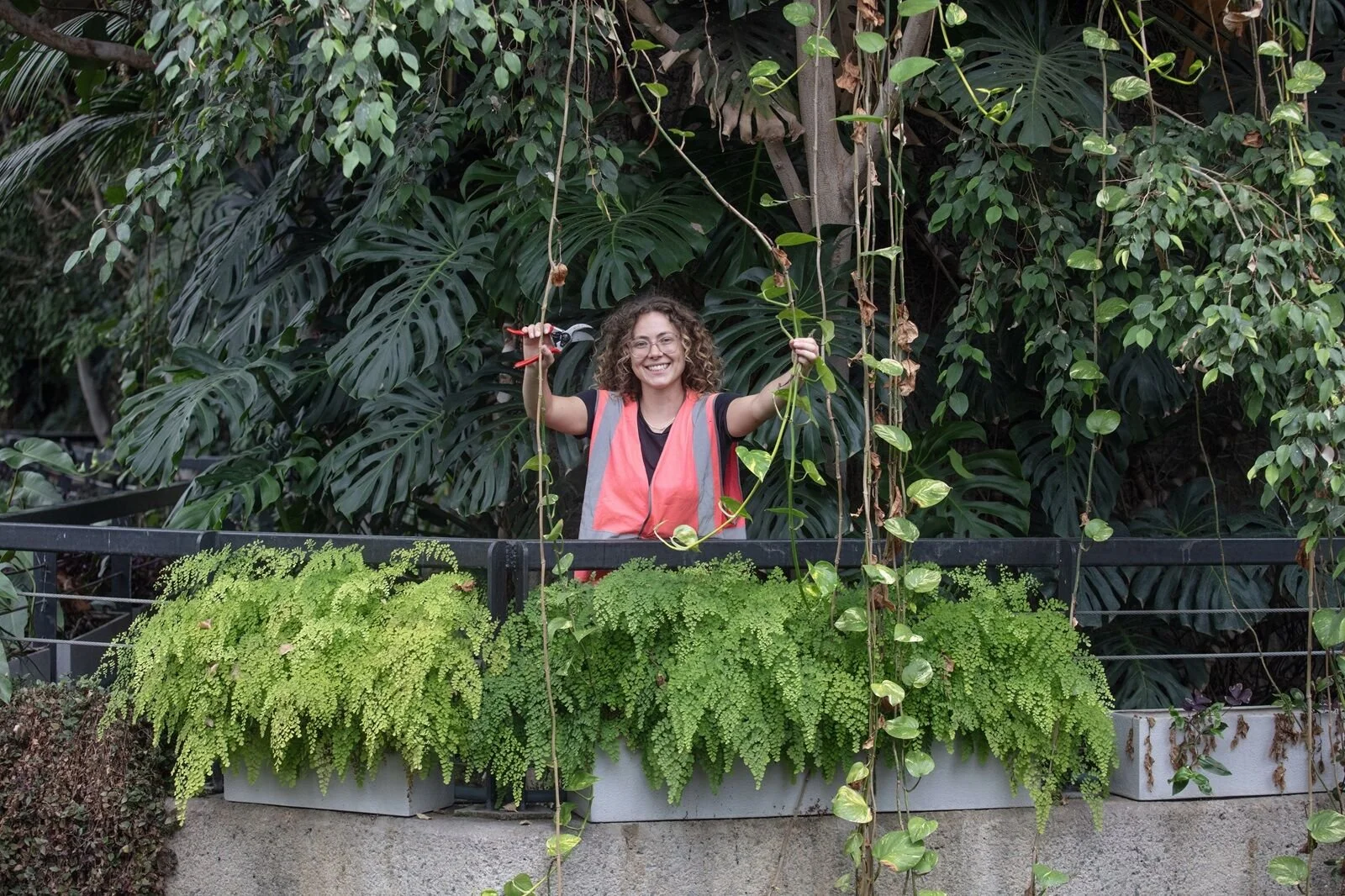
A specialist horticultural team has been working through the Conservatory's collection, assessing the plants and deciding which can be retained, propagated, rehomed or, where necessary, sadly lost. The aim is to preserve as much of the existing collection as possible while creating the right conditions for it to thrive in the renewed Conservatory.
And then there is the question of moving plants safely. Plants can be subject to strict controls when they are moved, particularly where there is a risk of spreading pests and diseases. In certain circumstances, professionally moved plants require a UK Plant Passport, providing traceability through the supply chain.
We're still establishing exactly how these requirements will apply to the Barbican's collection, but the principle gives an idea of just how carefully a collection of this scale has to be managed.
The Renewal plans also include retaining the existing Arid House as a propagation space, allowing plants to be nurtured while the wider works take place. A new, purpose-built nursery will provide the gardening team with improved facilities for propagation and plant care.
Where possible, plants will be reused, rehomed or propagated, giving them the best chance of making it through the transformation and, eventually, returning to the Conservatory.
And some will be making their way much further afield. More than 2,000 cuttings are being propagated for members of the public to take home, giving these plants a chance to continue growing long after the Conservatory closes its doors. It's a lovely way of giving a little piece of the Barbican's jungle a new life elsewhere.
So while the building may be undergoing a major renewal, its green residents have a project of their own. It's less "pack up the plants" and more carefully planned botanical logistics.
BEHIND THE GREENERY
For visitors, the Conservatory is all about the plants. Behind the scenes, however, there is a huge amount of infrastructure that keeps this unusual environment functioning.
The Renewal will address many of the systems that have quietly been working away for more than 40 years, while introducing improvements that will make the Conservatory more sustainable, accessible and better equipped for its next chapter.
Key upgrades include:
Full glazing replacement to address damaged panels and improve light levels for the plants.
Upgraded environmental systems, including heating, cooling, ventilation and irrigation.
Replacement waterproofing beneath the Conservatory to address leaks into the Theatre below.
Improved horticultural infrastructure and dedicated back-of-house facilities for the gardening team.
A purpose-built nursery to support plant propagation.
Improved accessibility, including a new lift and stair and reconfigured planting areas to create step-free access.
New planting zones designed around different environmental conditions.
A new central water feature in a more suitable location for aquatic planting.
Credit: Barbican Conservatory
WHATS NEXT?
With design development now complete, the Conservatory is moving towards detailed design and delivery. As Cost Consultants, our focus will remain on managing costs as the team navigates the technical, conservation and operational challenges of renewing this remarkable Grade II-listed space.
There’s plenty still to do, but with a building this complex, it’s all about getting the details right, without disturbing the plants along the way.